
Get trending papers in your email inbox once a day!
Get trending papers in your email inbox!
Subscribe

Fuse It More Deeply! A Variational Transformer with Layer-Wise Latent Variable Inference for Text Generation
The past several years have witnessed Variational Auto-Encoder's superiority in various text generation tasks. However, due to the sequential nature of the text, auto-regressive decoders tend to ignore latent variables and then reduce to simple language models, known as the KL vanishing problem, which would further deteriorate when VAE is combined with Transformer-based structures. To ameliorate this problem, we propose DELLA, a novel variational Transformer framework. DELLA learns a series of layer-wise latent variables with each inferred from those of lower layers and tightly coupled with the hidden states by low-rank tensor product. In this way, DELLA forces these posterior latent variables to be fused deeply with the whole computation path and hence incorporate more information. We theoretically demonstrate that our method can be regarded as entangling latent variables to avoid posterior information decrease through layers, enabling DELLA to get higher non-zero KL values even without any annealing or thresholding tricks. Experiments on four unconditional and three conditional generation tasks show that DELLA could better alleviate KL vanishing and improve both quality and diversity compared to several strong baselines.

X-MOBILITY: End-To-End Generalizable Navigation via World Modeling
General-purpose navigation in challenging environments remains a significant problem in robotics, with current state-of-the-art approaches facing myriad limitations. Classical approaches struggle with cluttered settings and require extensive tuning, while learning-based methods face difficulties generalizing to out-of-distribution environments. This paper introduces X-Mobility, an end-to-end generalizable navigation model that overcomes existing challenges by leveraging three key ideas. First, X-Mobility employs an auto-regressive world modeling architecture with a latent state space to capture world dynamics. Second, a diverse set of multi-head decoders enables the model to learn a rich state representation that correlates strongly with effective navigation skills. Third, by decoupling world modeling from action policy, our architecture can train effectively on a variety of data sources, both with and without expert policies: off-policy data allows the model to learn world dynamics, while on-policy data with supervisory control enables optimal action policy learning. Through extensive experiments, we demonstrate that X-Mobility not only generalizes effectively but also surpasses current state-of-the-art navigation approaches. Additionally, X-Mobility also achieves zero-shot Sim2Real transferability and shows strong potential for cross-embodiment generalization.
LauraTSE: Target Speaker Extraction using Auto-Regressive Decoder-Only Language Models
We propose LauraTSE, an Auto-Regressive Decoder-Only Language Model for Target Speaker Extraction built upon the LauraGPT backbone. LauraTSE employs a small-scale auto-regressive decoder-only language model that generates the initial layers of the target speech's discrete codec representations from the continuous embeddings of both the mixture and reference speech. These outputs serve as coarse-grained predictions. To refine them, a one-step encoder-only language model reconstructs the full codec representation by integrating information from both the mixture and the reference speech, adding fine-grained details. Experimental results show that our approach can achieve promising performance. Additionally, we conduct ablation studies to investigate the data scalability and the contribution of the encoder-only model.
GenDoP: Auto-regressive Camera Trajectory Generation as a Director of Photography
Camera trajectory design plays a crucial role in video production, serving as a fundamental tool for conveying directorial intent and enhancing visual storytelling. In cinematography, Directors of Photography meticulously craft camera movements to achieve expressive and intentional framing. However, existing methods for camera trajectory generation remain limited: Traditional approaches rely on geometric optimization or handcrafted procedural systems, while recent learning-based methods often inherit structural biases or lack textual alignment, constraining creative synthesis. In this work, we introduce an auto-regressive model inspired by the expertise of Directors of Photography to generate artistic and expressive camera trajectories. We first introduce DataDoP, a large-scale multi-modal dataset containing 29K real-world shots with free-moving camera trajectories, depth maps, and detailed captions in specific movements, interaction with the scene, and directorial intent. Thanks to the comprehensive and diverse database, we further train an auto-regressive, decoder-only Transformer for high-quality, context-aware camera movement generation based on text guidance and RGBD inputs, named GenDoP. Extensive experiments demonstrate that compared to existing methods, GenDoP offers better controllability, finer-grained trajectory adjustments, and higher motion stability. We believe our approach establishes a new standard for learning-based cinematography, paving the way for future advancements in camera control and filmmaking. Our project website: https://kszpxxzmc.github.io/GenDoP/.



Not All Large Language Models (LLMs) Succumb to the "Reversal Curse": A Comparative Study of Deductive Logical Reasoning in BERT and GPT Models
The "Reversal Curse" refers to the scenario where auto-regressive decoder large language models (LLMs), such as ChatGPT, trained on "A is B" fail to learn "B is A", demonstrating a basic failure of logical deduction. This raises a red flag in the use of GPT models for certain general tasks such as constructing knowledge graphs, considering their adherence to this symmetric principle. In our study, we examined a bidirectional LLM, BERT, and found that it is immune to the reversal curse. Driven by ongoing efforts to construct biomedical knowledge graphs with LLMs, we also embarked on evaluating more complex but essential deductive reasoning capabilities. This process included first training encoder and decoder language models to master the intersection (cap) and union (cup) operations on two sets and then moving on to assess their capability to infer different combinations of union (cup) and intersection (cap) operations on three newly created sets. The findings showed that while both encoder and decoder language models, trained for tasks involving two sets (union/intersection), were proficient in such scenarios, they encountered difficulties when dealing with operations that included three sets (various combinations of union and intersection). Our research highlights the distinct characteristics of encoder and decoder models in simple and complex logical reasoning. In practice, the choice between BERT and GPT should be guided by the specific requirements and nature of the task at hand, leveraging their respective strengths in bidirectional context comprehension and sequence prediction.
PARAMANU-GANITA: Language Model with Mathematical Capabilities
In this paper, we present Paramanu-Ganita, a 208 million parameter novel Auto Regressive (AR) decoder based language model on mathematics. The model is pretrained from scratch at context size of 4096 on our curated mixed mathematical corpus. We evaluate our model on both perplexity metric and GSM8k mathematical benchmark. Paramanu-Ganita despite being 35 times smaller than 7B LLMs, outperformed generalist LLMs such as LLaMa-1 7B by 28.4% points, LLaMa-2 7B by 27.6% points, Falcon 7B by 32.6% points, PaLM 8B by 35.3% points, and math specialised LLMs such as Minerva 8B by 23.2% points, and LLEMMA-7B by 3.0% points in GSM8k test accuracy metric respectively. Paramanu-Ganita also outperformed giant LLMs like PaLM 62B by 6.4% points, Falcon 40B by 19.8% points, LLaMa-1 33B by 3.8% points and Vicuna 13B by 11.8% points respectively. The large significant margin improvement in performance of our math model over the existing LLMs signifies that reasoning capabilities of language model are just not restricted to LLMs with humongous number of parameters. Paramanu-Ganita took 146 hours of A100 training whereas math specialised LLM, LLEMMA 7B, was trained for 23,000 A100 hours of training equivalent. Thus, our approach of pretraining powerful domain specialised language models from scratch for domain adaptation is much more cost-effective than performing continual training of LLMs for domain adaptation. Hence, we conclude that for strong mathematical reasoning abilities of language model, we do not need giant LLMs and immense computing power to our end. In the end, we want to point out that we have only trained Paramanu-Ganita only on a part of our entire mathematical corpus and yet to explore the full potential of our model.
FiE: Building a Global Probability Space by Leveraging Early Fusion in Encoder for Open-Domain Question Answering
Generative models have recently started to outperform extractive models in Open Domain Question Answering, largely by leveraging their decoder to attend over multiple encoded passages and combining their information. However, generative models tend to be larger than extractive models due to the need for a decoder, run slower during inference due to auto-regressive decoder beam search, and their generated output often suffers from hallucinations. We propose to extend transformer encoders with the ability to fuse information from multiple passages, using global representation to provide cross-sample attention over all tokens across samples. Furthermore, we propose an alternative answer span probability calculation to better aggregate answer scores in the global space of all samples. Using our proposed method, we outperform the current state-of-the-art method by 2.5 Exact Match score on the Natural Question dataset while using only 25% of parameters and 35% of the latency during inference, and 4.4 Exact Match on WebQuestions dataset. When coupled with synthetic data augmentation, we outperform larger models on the TriviaQA dataset as well. The latency and parameter savings of our method make it particularly attractive for open-domain question answering, as these models are often compute-intensive.

DocFormerv2: Local Features for Document Understanding
We propose DocFormerv2, a multi-modal transformer for Visual Document Understanding (VDU). The VDU domain entails understanding documents (beyond mere OCR predictions) e.g., extracting information from a form, VQA for documents and other tasks. VDU is challenging as it needs a model to make sense of multiple modalities (visual, language and spatial) to make a prediction. Our approach, termed DocFormerv2 is an encoder-decoder transformer which takes as input - vision, language and spatial features. DocFormerv2 is pre-trained with unsupervised tasks employed asymmetrically i.e., two novel document tasks on encoder and one on the auto-regressive decoder. The unsupervised tasks have been carefully designed to ensure that the pre-training encourages local-feature alignment between multiple modalities. DocFormerv2 when evaluated on nine datasets shows state-of-the-art performance over strong baselines e.g. TabFact (4.3%), InfoVQA (1.4%), FUNSD (1%). Furthermore, to show generalization capabilities, on three VQA tasks involving scene-text, Doc- Formerv2 outperforms previous comparably-sized models and even does better than much larger models (such as GIT2, PaLi and Flamingo) on some tasks. Extensive ablations show that due to its pre-training, DocFormerv2 understands multiple modalities better than prior-art in VDU.
Intermediate Loss Regularization for CTC-based Speech Recognition
We present a simple and efficient auxiliary loss function for automatic speech recognition (ASR) based on the connectionist temporal classification (CTC) objective. The proposed objective, an intermediate CTC loss, is attached to an intermediate layer in the CTC encoder network. This intermediate CTC loss well regularizes CTC training and improves the performance requiring only small modification of the code and small and no overhead during training and inference, respectively. In addition, we propose to combine this intermediate CTC loss with stochastic depth training, and apply this combination to a recently proposed Conformer network. We evaluate the proposed method on various corpora, reaching word error rate (WER) 9.9% on the WSJ corpus and character error rate (CER) 5.2% on the AISHELL-1 corpus respectively, based on CTC greedy search without a language model. Especially, the AISHELL-1 task is comparable to other state-of-the-art ASR systems based on auto-regressive decoder with beam search.
Discrete Diffusion for Generative Modeling of Text-Aligned Speech Tokens
This paper introduces a discrete diffusion model (DDM) framework for text-aligned speech tokenization and reconstruction. By replacing the auto-regressive speech decoder with a discrete diffusion counterpart, our model achieves significantly better reconstruction quality, stronger ASR performance, and faster inference. We provide a comprehensive analysis of applying DDMs to speech reconstruction, examining sampler choices, inference steps, and robustness to length-scale estimation errors. Furthermore, we improve the original TASTE by systematically comparing vector quantization modules, showing that FSQ yields up to a 35% relative WER reduction and +0.14 UT-MOS improvement over RVQ for AR models, while also enhancing DDM performance. Our model generates speech in just 10 denoising steps and even supports single-step generation with only minor quality degradation.
Exploring Discrete Diffusion Models for Image Captioning
The image captioning task is typically realized by an auto-regressive method that decodes the text tokens one by one. We present a diffusion-based captioning model, dubbed the name DDCap, to allow more decoding flexibility. Unlike image generation, where the output is continuous and redundant with a fixed length, texts in image captions are categorical and short with varied lengths. Therefore, naively applying the discrete diffusion model to text decoding does not work well, as shown in our experiments. To address the performance gap, we propose several key techniques including best-first inference, concentrated attention mask, text length prediction, and image-free training. On COCO without additional caption pre-training, it achieves a CIDEr score of 117.8, which is +5.0 higher than the auto-regressive baseline with the same architecture in the controlled setting. It also performs +26.8 higher CIDEr score than the auto-regressive baseline (230.3 v.s.203.5) on a caption infilling task. With 4M vision-language pre-training images and the base-sized model, we reach a CIDEr score of 125.1 on COCO, which is competitive to the best well-developed auto-regressive frameworks. The code is available at https://github.com/buxiangzhiren/DDCap.

OneCAT: Decoder-Only Auto-Regressive Model for Unified Understanding and Generation
We introduce OneCAT, a unified multimodal model that seamlessly integrates understanding, generation, and editing within a novel, pure decoder-only transformer architecture. Our framework uniquely eliminates the need for external components such as Vision Transformers (ViT) or vision tokenizer during inference, leading to significant efficiency gains, especially for high-resolution inputs. This is achieved through a modality-specific Mixture-of-Experts (MoE) structure trained with a single autoregressive (AR) objective, which also natively supports dynamic resolutions. Furthermore, we pioneer a multi-scale visual autoregressive mechanism within the Large Language Model (LLM) that drastically reduces decoding steps compared to diffusion-based methods while maintaining state-of-the-art performance. Our findings demonstrate the powerful potential of pure autoregressive modeling as a sufficient and elegant foundation for unified multimodal intelligence. As a result, OneCAT sets a new performance standard, outperforming existing open-source unified multimodal models across benchmarks for multimodal generation, editing, and understanding.
PIXAR: Auto-Regressive Language Modeling in Pixel Space
Recent works showed the possibility of building open-vocabulary large language models (LLMs) that directly operate on pixel representations and are implemented as encoder-decoder models that reconstruct masked image patches of rendered text. However, these pixel-based LLMs are limited to autoencoding tasks and cannot generate new text as images. As such, they cannot be used for open-answer or generative language tasks. In this work, we overcome this limitation and introduce PIXAR, the first pixel-based autoregressive LLM that does not rely on a pre-defined vocabulary for both input and output text. Consisting of only a decoder, PIXAR can answer free-form generative tasks while keeping the text representation learning performance on par with previous encoder-decoder models. Furthermore, we highlight the challenges to autoregressively generate non-blurred text as images and link this to the usual maximum likelihood objective. We propose a simple adversarial pretraining that significantly improves the readability and performance of PIXAR making it comparable to GPT2 on short text generation tasks. This paves the way to building open-vocabulary LLMs that are usable for free-form generative tasks and questions the necessity of the usual symbolic input representation -- text as tokens -- for these challenging tasks.

Towards Holistic Modeling for Video Frame Interpolation with Auto-regressive Diffusion Transformers
Existing video frame interpolation (VFI) methods often adopt a frame-centric approach, processing videos as independent short segments (e.g., triplets), which leads to temporal inconsistencies and motion artifacts. To overcome this, we propose a holistic, video-centric paradigm named Local Diffusion Forcing for Video Frame Interpolation (LDF-VFI). Our framework is built upon an auto-regressive diffusion transformer that models the entire video sequence to ensure long-range temporal coherence. To mitigate error accumulation inherent in auto-regressive generation, we introduce a novel skip-concatenate sampling strategy that effectively maintains temporal stability. Furthermore, LDF-VFI incorporates sparse, local attention and tiled VAE encoding, a combination that not only enables efficient processing of long sequences but also allows generalization to arbitrary spatial resolutions (e.g., 4K) at inference without retraining. An enhanced conditional VAE decoder, which leverages multi-scale features from the input video, further improves reconstruction fidelity. Empirically, LDF-VFI achieves state-of-the-art performance on challenging long-sequence benchmarks, demonstrating superior per-frame quality and temporal consistency, especially in scenes with large motion. The source code is available at https://github.com/xypeng9903/LDF-VFI.
Stream-DiffVSR: Low-Latency Streamable Video Super-Resolution via Auto-Regressive Diffusion
Diffusion-based video super-resolution (VSR) methods achieve strong perceptual quality but remain impractical for latency-sensitive settings due to reliance on future frames and expensive multi-step denoising. We propose Stream-DiffVSR, a causally conditioned diffusion framework for efficient online VSR. Operating strictly on past frames, it combines a four-step distilled denoiser for fast inference, an Auto-regressive Temporal Guidance (ARTG) module that injects motion-aligned cues during latent denoising, and a lightweight temporal-aware decoder with a Temporal Processor Module (TPM) that enhances detail and temporal coherence. Stream-DiffVSR processes 720p frames in 0.328 seconds on an RTX4090 GPU and significantly outperforms prior diffusion-based methods. Compared with the online SOTA TMP, it boosts perceptual quality (LPIPS +0.095) while reducing latency by over 130x. Stream-DiffVSR achieves the lowest latency reported for diffusion-based VSR, reducing initial delay from over 4600 seconds to 0.328 seconds, thereby making it the first diffusion VSR method suitable for low-latency online deployment. Project page: https://jamichss.github.io/stream-diffvsr-project-page/

Decoding-based Regression
Language models have recently been shown capable of performing regression tasks wherein numeric predictions are represented as decoded strings. In this work, we provide theoretical grounds for this capability and furthermore investigate the utility of causal auto-regressive sequence models when they are applied to any feature representation. We find that, despite being trained in the usual way - for next-token prediction via cross-entropy loss - decoding-based regression is as performant as traditional approaches for tabular regression tasks, while being flexible enough to capture arbitrary distributions, such as in the task of density estimation.

Learning to Play Atari in a World of Tokens
Model-based reinforcement learning agents utilizing transformers have shown improved sample efficiency due to their ability to model extended context, resulting in more accurate world models. However, for complex reasoning and planning tasks, these methods primarily rely on continuous representations. This complicates modeling of discrete properties of the real world such as disjoint object classes between which interpolation is not plausible. In this work, we introduce discrete abstract representations for transformer-based learning (DART), a sample-efficient method utilizing discrete representations for modeling both the world and learning behavior. We incorporate a transformer-decoder for auto-regressive world modeling and a transformer-encoder for learning behavior by attending to task-relevant cues in the discrete representation of the world model. For handling partial observability, we aggregate information from past time steps as memory tokens. DART outperforms previous state-of-the-art methods that do not use look-ahead search on the Atari 100k sample efficiency benchmark with a median human-normalized score of 0.790 and beats humans in 9 out of 26 games. We release our code at https://pranaval.github.io/DART/.
Time-MoE: Billion-Scale Time Series Foundation Models with Mixture of Experts
Deep learning for time series forecasting has seen significant advancements over the past decades. However, despite the success of large-scale pre-training in language and vision domains, pre-trained time series models remain limited in scale and operate at a high cost, hindering the development of larger capable forecasting models in real-world applications. In response, we introduce Time-MoE, a scalable and unified architecture designed to pre-train larger, more capable forecasting foundation models while reducing inference costs. By leveraging a sparse mixture-of-experts (MoE) design, Time-MoE enhances computational efficiency by activating only a subset of networks for each prediction, reducing computational load while maintaining high model capacity. This allows Time-MoE to scale effectively without a corresponding increase in inference costs. Time-MoE comprises a family of decoder-only transformer models that operate in an auto-regressive manner and support flexible forecasting horizons with varying input context lengths. We pre-trained these models on our newly introduced large-scale data Time-300B, which spans over 9 domains and encompassing over 300 billion time points. For the first time, we scaled a time series foundation model up to 2.4 billion parameters, achieving significantly improved forecasting precision. Our results validate the applicability of scaling laws for training tokens and model size in the context of time series forecasting. Compared to dense models with the same number of activated parameters or equivalent computation budgets, our models consistently outperform them by large margin. These advancements position Time-MoE as a state-of-the-art solution for tackling real-world time series forecasting challenges with superior capability, efficiency, and flexibility.
VUT: Versatile UI Transformer for Multi-Modal Multi-Task User Interface Modeling
User interface modeling is inherently multimodal, which involves several distinct types of data: images, structures and language. The tasks are also diverse, including object detection, language generation and grounding. In this paper, we present VUT, a Versatile UI Transformer that takes multimodal input and simultaneously accomplishes 5 distinct tasks with the same model. Our model consists of a multimodal Transformer encoder that jointly encodes UI images and structures, and performs UI object detection when the UI structures are absent in the input. Our model also consists of an auto-regressive Transformer model that encodes the language input and decodes output, for both question-answering and command grounding with respect to the UI. Our experiments show that for most of the tasks, when trained jointly for multi-tasks, VUT substantially reduces the number of models and footprints needed for performing multiple tasks, while achieving accuracy exceeding or on par with baseline models trained for each individual task.

Linguistic-Enhanced Transformer with CTC Embedding for Speech Recognition
The recent emergence of joint CTC-Attention model shows significant improvement in automatic speech recognition (ASR). The improvement largely lies in the modeling of linguistic information by decoder. The decoder joint-optimized with an acoustic encoder renders the language model from ground-truth sequences in an auto-regressive manner during training. However, the training corpus of the decoder is limited to the speech transcriptions, which is far less than the corpus needed to train an acceptable language model. This leads to poor robustness of decoder. To alleviate this problem, we propose linguistic-enhanced transformer, which introduces refined CTC information to decoder during training process, so that the decoder can be more robust. Our experiments on AISHELL-1 speech corpus show that the character error rate (CER) is relatively reduced by up to 7%. We also find that in joint CTC-Attention ASR model, decoder is more sensitive to linguistic information than acoustic information.

UniXcoder: Unified Cross-Modal Pre-training for Code Representation
Pre-trained models for programming languages have recently demonstrated great success on code intelligence. To support both code-related understanding and generation tasks, recent works attempt to pre-train unified encoder-decoder models. However, such encoder-decoder framework is sub-optimal for auto-regressive tasks, especially code completion that requires a decoder-only manner for efficient inference. In this paper, we present UniXcoder, a unified cross-modal pre-trained model for programming language. The model utilizes mask attention matrices with prefix adapters to control the behavior of the model and leverages cross-modal contents like AST and code comment to enhance code representation. To encode AST that is represented as a tree in parallel, we propose a one-to-one mapping method to transform AST in a sequence structure that retains all structural information from the tree. Furthermore, we propose to utilize multi-modal contents to learn representation of code fragment with contrastive learning, and then align representations among programming languages using a cross-modal generation task. We evaluate UniXcoder on five code-related tasks over nine datasets. To further evaluate the performance of code fragment representation, we also construct a dataset for a new task, called zero-shot code-to-code search. Results show that our model achieves state-of-the-art performance on most tasks and analysis reveals that comment and AST can both enhance UniXcoder.
Large Model driven Radiology Report Generation with Clinical Quality Reinforcement Learning
Radiology report generation (RRG) has attracted significant attention due to its potential to reduce the workload of radiologists. Current RRG approaches are still unsatisfactory against clinical standards. This paper introduces a novel RRG method, LM-RRG, that integrates large models (LMs) with clinical quality reinforcement learning to generate accurate and comprehensive chest X-ray radiology reports. Our method first designs a large language model driven feature extractor to analyze and interpret different regions of the chest X-ray image, emphasizing specific regions with medical significance. Next, based on the large model's decoder, we develop a multimodal report generator that leverages multimodal prompts from visual features and textual instruction to produce the radiology report in an auto-regressive way. Finally, to better reflect the clinical significant and insignificant errors that radiologists would normally assign in the report, we introduce a novel clinical quality reinforcement learning strategy. It utilizes the radiology report clinical quality (RadCliQ) metric as a reward function in the learning process. Extensive experiments on the MIMIC-CXR and IU-Xray datasets demonstrate the superiority of our method over the state of the art.

LLMs Can Achieve High-quality Simultaneous Machine Translation as Efficiently as Offline
When the complete source sentence is provided, Large Language Models (LLMs) perform excellently in offline machine translation even with a simple prompt "Translate the following sentence from [src lang] into [tgt lang]:". However, in many real scenarios, the source tokens arrive in a streaming manner and simultaneous machine translation (SiMT) is required, then the efficiency and performance of decoder-only LLMs are significantly limited by their auto-regressive nature. To enable LLMs to achieve high-quality SiMT as efficiently as offline translation, we propose a novel paradigm that includes constructing supervised fine-tuning (SFT) data for SiMT, along with new training and inference strategies. To replicate the token input/output stream in SiMT, the source and target tokens are rearranged into an interleaved sequence, separated by special tokens according to varying latency requirements. This enables powerful LLMs to learn read and write operations adaptively, based on varying latency prompts, while still maintaining efficient auto-regressive decoding. Experimental results show that, even with limited SFT data, our approach achieves state-of-the-art performance across various SiMT benchmarks, and preserves the original abilities of offline translation. Moreover, our approach generalizes well to document-level SiMT setting without requiring specific fine-tuning, even beyond the offline translation model.

EncT5: A Framework for Fine-tuning T5 as Non-autoregressive Models
Pre-trained encoder-decoder transformer architectures have become increasingly popular recently with the advent of T5 models. T5 has also become more favorable over other architectures like BERT due to the amount of data that it is pre-trained on, increased scale of model parameter sizes and easy applicability to a diverse set of tasks due to the generative nature of the model. While being able to generalize to a wide variety of tasks, it is not clear that encoder-decoder architectures are the most efficient for fine-tuning tasks that don't require auto-regressive decoding. In this work, we study fine-tuning pre-trained encoder-decoder models for tasks such as classification, multi-label classification, and structured prediction. We propose EncT5, a framework for these problems, and illustrate instantiations for these tasks. Our experiment results show that EncT5 has advantages over T5 such as efficiency and usability out performs BERT when evaluated on publicly available pre-trained checkpoints.
LANTERN: Accelerating Visual Autoregressive Models with Relaxed Speculative Decoding
Auto-Regressive (AR) models have recently gained prominence in image generation, often matching or even surpassing the performance of diffusion models. However, one major limitation of AR models is their sequential nature, which processes tokens one at a time, slowing down generation compared to models like GANs or diffusion-based methods that operate more efficiently. While speculative decoding has proven effective for accelerating LLMs by generating multiple tokens in a single forward, its application in visual AR models remains largely unexplored. In this work, we identify a challenge in this setting, which we term token selection ambiguity, wherein visual AR models frequently assign uniformly low probabilities to tokens, hampering the performance of speculative decoding. To overcome this challenge, we propose a relaxed acceptance condition referred to as LANTERN that leverages the interchangeability of tokens in latent space. This relaxation restores the effectiveness of speculative decoding in visual AR models by enabling more flexible use of candidate tokens that would otherwise be prematurely rejected. Furthermore, by incorporating a total variation distance bound, we ensure that these speed gains are achieved without significantly compromising image quality or semantic coherence. Experimental results demonstrate the efficacy of our method in providing a substantial speed-up over speculative decoding. In specific, compared to a na\"ive application of the state-of-the-art speculative decoding, LANTERN increases speed-ups by 1.75times and 1.76times, as compared to greedy decoding and random sampling, respectively, when applied to LlamaGen, a contemporary visual AR model.


Accelerating Auto-regressive Text-to-Image Generation with Training-free Speculative Jacobi Decoding
The current large auto-regressive models can generate high-quality, high-resolution images, but these models require hundreds or even thousands of steps of next-token prediction during inference, resulting in substantial time consumption. In existing studies, Jacobi decoding, an iterative parallel decoding algorithm, has been used to accelerate the auto-regressive generation and can be executed without training. However, the Jacobi decoding relies on a deterministic criterion to determine the convergence of iterations. Thus, it works for greedy decoding but is incompatible with sampling-based decoding which is crucial for visual quality and diversity in the current auto-regressive text-to-image generation. In this paper, we propose a training-free probabilistic parallel decoding algorithm, Speculative Jacobi Decoding (SJD), to accelerate auto-regressive text-to-image generation. By introducing a probabilistic convergence criterion, our SJD accelerates the inference of auto-regressive text-to-image generation while maintaining the randomness in sampling-based token decoding and allowing the model to generate diverse images. Specifically, SJD facilitates the model to predict multiple tokens at each step and accepts tokens based on the probabilistic criterion, enabling the model to generate images with fewer steps than the conventional next-token-prediction paradigm. We also investigate the token initialization strategies that leverage the spatial locality of visual data to further improve the acceleration ratio under specific scenarios. We conduct experiments for our proposed SJD on multiple auto-regressive text-to-image generation models, showing the effectiveness of model acceleration without sacrificing the visual quality.


FiRST: Finetuning Router-Selective Transformers for Input-Adaptive Latency Reduction
Auto-regressive Large Language Models (LLMs) demonstrate remarkable performance across different domains such as vision and language processing. However, due to sequential processing through a stack of transformer layers, autoregressive decoding faces significant computation/latency challenges, particularly in resource-constrained environments like mobile and edge devices. Existing approaches in literature that aim to improve latency via skipping layers have two distinct flavors - 1) Early exit, and 2) Input-agnostic heuristics where tokens exit at pre-determined layers irrespective of input sequence. Both the above strategies have limitations - the former cannot be applied to handle KV Caching necessary for speed-ups in modern framework and the latter does not capture the variation in layer importance across tasks or more generally, across input sequences. To address both limitations, we propose FiRST, an algorithm that reduces inference latency by using layer-specific routers to select a subset of transformer layers adaptively for each input sequence - the prompt (during the prefill stage) decides which layers will be skipped during decoding. FiRST preserves compatibility with KV caching enabling faster inference while being quality-aware. FiRST is model-agnostic and can be easily enabled on any pre-trained LLM. Our approach reveals that input adaptivity is critical - indeed, different task-specific middle layers play a crucial role in evolving hidden representations depending on tasks. Extensive experiments show that FiRST significantly reduces latency while outperforming other layer selection strategies in quality metics. It retains competitive performance to base model (without layer skipping) and in some cases, even improves upon it. FiRST is thus a promising and efficient solution for LLM deployment in low-resource environments.

Self-Infilling Code Generation
This work introduces a general code generation framework that incorporates infilling operations into auto-regressive decoding. Our approach capitalizes on the observation that recent code language models with infilling capabilities can perform self-infilling: whereas infilling operations aim to fill in the middle based on a predefined prefix and suffix, self-infilling sequentially generates both such surrounding context and the infilled content. We utilize this feature to develop an infilling-augmented decoding process that facilitates non-monotonic generation. This approach allows for postponing the generation of uncertain code snippets until a definitive suffix is established, leading to improved control over the generation sequence. In addition, it facilitates a looping mechanism, which can iteratively update and synchronize each piece of generation in a cyclic manner. Extensive experiments are conducted to demonstrate that our proposed decoding process is effective in enhancing regularity and quality across several code generation benchmarks.

EAGLE: Speculative Sampling Requires Rethinking Feature Uncertainty
Auto-regressive decoding makes the inference of Large Language Models (LLMs) time-consuming. We propose a simple framework, EAGLE (Extrapolation Algorithm for Greater Language-model Efficiency), for lossless acceleration. Unlike traditional speculative sampling methods, EAGLE operates the drafting process auto-regressively at the more regular (second-top-layer) feature level and addresses the sampling uncertainty issues in the next-feature prediction problems by integrating tokens from one time step ahead. The acceleration provided by EAGLE is lossless: it involves no fine-tuning of the target LLM, and the generated text maintains the same distribution as that of vanilla auto-regressive decoding. As of the submission of this paper, EAGLE is the fastest known framework within the speculative sampling family. On MT-bench, EAGLE is 3x faster than vanilla decoding, 2x faster than Lookahead, and 1.6x faster than Medusa. Using gpt-fast, EAGLE attains on average 160 tokens/s with LLaMA2-Chat 13B on a single RTX 3090 GPU, compared to 24 tokens/s of Huggingface's implementations.


APAR: LLMs Can Do Auto-Parallel Auto-Regressive Decoding
The massive adoption of large language models (LLMs) demands efficient deployment strategies. However, the auto-regressive decoding process, which is fundamental to how most LLMs generate text, poses challenges to achieve efficient serving. In this work, we introduce a parallel auto-regressive generation method. By instruct-tuning on general domain data that contains hierarchical structures, we enable LLMs to independently plan their generation process and perform auto-parallel auto-regressive (APAR) generation, significantly reducing the number of generation steps. APAR alone can achieve up to 2x speed-up, and when combined with speculative decoding, the speed-up can reach up to 4x. In addition, APAR reduces the key-value cache consumption and attention computation during generation. This leads to a throughput increase of 20-70% and a latency reduce of 20-35% in high-throughput scenarios, compared to state-of-the-art serving frameworks.

Object Recognition as Next Token Prediction
We present an approach to pose object recognition as next token prediction. The idea is to apply a language decoder that auto-regressively predicts the text tokens from image embeddings to form labels. To ground this prediction process in auto-regression, we customize a non-causal attention mask for the decoder, incorporating two key features: modeling tokens from different labels to be independent, and treating image tokens as a prefix. This masking mechanism inspires an efficient method - one-shot sampling - to simultaneously sample tokens of multiple labels in parallel and rank generated labels by their probabilities during inference. To further enhance the efficiency, we propose a simple strategy to construct a compact decoder by simply discarding the intermediate blocks of a pretrained language model. This approach yields a decoder that matches the full model's performance while being notably more efficient. The code is available at https://github.com/kaiyuyue/nxtp



Chimera: A Lossless Decoding Method for Accelerating Large Language Models Inference by Fusing all Tokens
Large language models (LLMs) have demonstrated remarkable capabilities across various tasks. However, their widespread application is hindered by the resource-intensive decoding process. To address this challenge, current approaches have incorporated additional decoding heads to enable parallel prediction of multiple subsequent tokens, thereby achieving inference acceleration. Nevertheless, the accuracy of these decoding heads falls short of the auto-regressive decoding approach. In light of these limitations, we propose Chimera, a novel framework specifically designed for speculative sampling. Within this framework, we introduce a lightweight draft model that effectively utilizes previously generated tokens to predict subsequent words. To ensure both accuracy and efficiency, we present two strategies within the lightweight draft model. Firstly, we focus on capturing short-range dependencies at the bottom layer. Secondly, we leverage the readily available representations from the original LLM.Through empirical evaluation on the Vicuna and LlaMA-2 series, Chimera demonstrates impressive results, achieving an average latency speedup ratio of 2.7x compared to the vanilla auto-regressive decoding approach. This highlights the potential of our proposed framework in significantly improving the efficiency of large language models during the decoding process.
Autoregressive Large Language Models are Computationally Universal
We show that autoregressive decoding of a transformer-based language model can realize universal computation, without external intervention or modification of the model's weights. Establishing this result requires understanding how a language model can process arbitrarily long inputs using a bounded context. For this purpose, we consider a generalization of autoregressive decoding where, given a long input, emitted tokens are appended to the end of the sequence as the context window advances. We first show that the resulting system corresponds to a classical model of computation, a Lag system, that has long been known to be computationally universal. By leveraging a new proof, we show that a universal Turing machine can be simulated by a Lag system with 2027 production rules. We then investigate whether an existing large language model can simulate the behaviour of such a universal Lag system. We give an affirmative answer by showing that a single system-prompt can be developed for gemini-1.5-pro-001 that drives the model, under deterministic (greedy) decoding, to correctly apply each of the 2027 production rules. We conclude that, by the Church-Turing thesis, prompted gemini-1.5-pro-001 with extended autoregressive (greedy) decoding is a general purpose computer.
ZipAR: Accelerating Autoregressive Image Generation through Spatial Locality
In this paper, we propose ZipAR, a training-free, plug-and-play parallel decoding framework for accelerating auto-regressive (AR) visual generation. The motivation stems from the observation that images exhibit local structures, and spatially distant regions tend to have minimal interdependence. Given a partially decoded set of visual tokens, in addition to the original next-token prediction scheme in the row dimension, the tokens corresponding to spatially adjacent regions in the column dimension can be decoded in parallel, enabling the ``next-set prediction'' paradigm. By decoding multiple tokens simultaneously in a single forward pass, the number of forward passes required to generate an image is significantly reduced, resulting in a substantial improvement in generation efficiency. Experiments demonstrate that ZipAR can reduce the number of model forward passes by up to 91% on the Emu3-Gen model without requiring any additional retraining.


Diffusion Guided Language Modeling
Current language models demonstrate remarkable proficiency in text generation. However, for many applications it is desirable to control attributes, such as sentiment, or toxicity, of the generated language -- ideally tailored towards each specific use case and target audience. For auto-regressive language models, existing guidance methods are prone to decoding errors that cascade during generation and degrade performance. In contrast, text diffusion models can easily be guided with, for example, a simple linear sentiment classifier -- however they do suffer from significantly higher perplexity than auto-regressive alternatives. In this paper we use a guided diffusion model to produce a latent proposal that steers an auto-regressive language model to generate text with desired properties. Our model inherits the unmatched fluency of the auto-regressive approach and the plug-and-play flexibility of diffusion. We show that it outperforms previous plug-and-play guidance methods across a wide range of benchmark data sets. Further, controlling a new attribute in our framework is reduced to training a single logistic regression classifier.

Adaptive Draft-Verification for Efficient Large Language Model Decoding
Large language model (LLM) decoding involves generating a sequence of tokens based on a given context, where each token is predicted one at a time using the model's learned probabilities. The typical autoregressive decoding method requires a separate forward pass through the model for each token generated, which is computationally inefficient and poses challenges for deploying LLMs in latency-sensitive scenarios. The main limitations of current decoding methods stem from their inefficiencies and resource demands. Existing approaches either necessitate fine-tuning smaller models, which is resource-intensive, or rely on fixed retrieval schemes to construct drafts for the next tokens, which lack adaptability and fail to generalize across different models and contexts. To address these issues, we introduce a novel methodology called ADED, which accelerates LLM decoding without requiring fine-tuning. Our approach involves an adaptive draft-verification process that evolves over time to improve efficiency. We utilize a tri-gram matrix-based LLM representation to dynamically approximate the output distribution of the LLM, allowing the model to adjust to changing token probabilities during the decoding process. Additionally, we implement a draft construction mechanism that effectively balances exploration and exploitation, ensuring that the drafts generated are both diverse and close to the true output distribution of the LLM. The importance of this design lies in its ability to optimize the draft distribution adaptively, leading to faster and more accurate decoding. Through extensive experiments on various benchmark datasets and LLM architectures, we demonstrate that ADED significantly accelerates the decoding process while maintaining high accuracy, making it suitable for deployment in a wide range of practical applications.
Generation Meets Verification: Accelerating Large Language Model Inference with Smart Parallel Auto-Correct Decoding
This research aims to accelerate the inference speed of large language models (LLMs) with billions of parameters. We propose Smart Parallel Auto-Correct dEcoding (SPACE), an innovative approach designed for achieving lossless acceleration of LLMs. By integrating semi-autoregressive inference and speculative decoding capabilities, SPACE uniquely enables autoregressive LLMs to parallelize token generation and verification. This is realized through a specialized semi-autoregressive supervised fine-tuning process that equips existing LLMs with the ability to simultaneously predict multiple tokens. Additionally, an auto-correct decoding algorithm facilitates the simultaneous generation and verification of token sequences within a single model invocation. Through extensive experiments on a range of LLMs, SPACE has demonstrated inference speedup ranging from 2.7x-4.0x on HumanEval-X while maintaining output quality.
SpecBound: Adaptive Bounded Self-Speculation with Layer-wise Confidence Calibration
Speculative decoding has emerged as a promising approach to accelerate autoregressive inference in large language models (LLMs). Self-draft methods, which leverage the base LLM itself for speculation, avoid the overhead of auxiliary draft models but face limitations: shallow layers often produce overconfident yet incorrect token predictions, and the presence of difficult tokens in a draft sequence forces redundant computation through deeper layers, undermining both draft acceptance and overall speedup. To address these issues, we propose a novel self-draft framework that suppresses spurious confidence via layer-wise temperature annealing in early-exit decision and adaptively bounds speculation length based on token-wise decoding difficulty. By reprocessing the hidden states of draft tokens in a unified parallel pass through deep layers, our method maintains exact output equivalence with the original model while maximizing computational efficiency. It requires no modifications to the base LLM parameters and achieves up to 2.33x wall-time speedup over standard autoregressive decoding across diverse long-form generation tasks and multiple model architectures.
The End of Manual Decoding: Towards Truly End-to-End Language Models
The "end-to-end" label for LLMs is a misnomer. In practice, they depend on a non-differentiable decoding process that requires laborious, hand-tuning of hyperparameters like temperature and top-p. This paper introduces AutoDeco, a novel architecture that enables truly "end-to-end" generation by learning to control its own decoding strategy. We augment the standard transformer with lightweight heads that, at each step, dynamically predict context-specific temperature and top-p values alongside the next-token logits. This approach transforms decoding into a parametric, token-level process, allowing the model to self-regulate its sampling strategy within a single forward pass. Through extensive experiments on eight benchmarks, we demonstrate that AutoDeco not only significantly outperforms default decoding strategies but also achieves performance comparable to an oracle-tuned baseline derived from "hacking the test set"-a practical upper bound for any static method. Crucially, we uncover an emergent capability for instruction-based decoding control: the model learns to interpret natural language commands (e.g., "generate with low randomness") and adjusts its predicted temperature and top-p on a token-by-token basis, opening a new paradigm for steerable and interactive LLM decoding.

Deep Encoder, Shallow Decoder: Reevaluating Non-autoregressive Machine Translation
Much recent effort has been invested in non-autoregressive neural machine translation, which appears to be an efficient alternative to state-of-the-art autoregressive machine translation on modern GPUs. In contrast to the latter, where generation is sequential, the former allows generation to be parallelized across target token positions. Some of the latest non-autoregressive models have achieved impressive translation quality-speed tradeoffs compared to autoregressive baselines. In this work, we reexamine this tradeoff and argue that autoregressive baselines can be substantially sped up without loss in accuracy. Specifically, we study autoregressive models with encoders and decoders of varied depths. Our extensive experiments show that given a sufficiently deep encoder, a single-layer autoregressive decoder can substantially outperform strong non-autoregressive models with comparable inference speed. We show that the speed disadvantage for autoregressive baselines compared to non-autoregressive methods has been overestimated in three aspects: suboptimal layer allocation, insufficient speed measurement, and lack of knowledge distillation. Our results establish a new protocol for future research toward fast, accurate machine translation. Our code is available at https://github.com/jungokasai/deep-shallow.

Accelerating Diffusion LLMs via Adaptive Parallel Decoding
The generation speed of LLMs are bottlenecked by autoregressive decoding, where tokens are predicted sequentially one by one. Alternatively, diffusion large language models (dLLMs) theoretically allow for parallel token generation, but in practice struggle to achieve the speed of autoregressive models without significantly sacrificing quality. We therefore introduce adaptive parallel decoding (APD), a novel method that dynamically adjusts the number of tokens sampled in parallel. We achieve this by defining a multiplicative mixture between the dLLM marginal probabilities and the joint probability of sequences under a small auxiliary autoregressive model. This inverts the standard setup of speculative decoding, where the goal is to sample from a large autoregressive verifier by drafting from a smaller model. We further optimize APD by enabling KV caching and limiting the size of the masked input. Altogether, our method puts forward three tunable parameters to flexibly tradeoff throughput and quality. We show that APD provides markedly higher throughput with minimal quality degradations on downstream benchmarks.

End-to-End Non-Autoregressive Neural Machine Translation with Connectionist Temporal Classification
Autoregressive decoding is the only part of sequence-to-sequence models that prevents them from massive parallelization at inference time. Non-autoregressive models enable the decoder to generate all output symbols independently in parallel. We present a novel non-autoregressive architecture based on connectionist temporal classification and evaluate it on the task of neural machine translation. Unlike other non-autoregressive methods which operate in several steps, our model can be trained end-to-end. We conduct experiments on the WMT English-Romanian and English-German datasets. Our models achieve a significant speedup over the autoregressive models, keeping the translation quality comparable to other non-autoregressive models.

Learning to Parallel: Accelerating Diffusion Large Language Models via Adaptive Parallel Decoding
Autoregressive decoding in large language models (LLMs) requires O(n) sequential steps for n tokens, fundamentally limiting inference throughput. Recent diffusion-based LLMs (dLLMs) enable parallel token generation through iterative denoising. However, current parallel decoding strategies rely on fixed, input-agnostic heuristics (e.g., confidence thresholds), which fail to adapt to input-specific characteristics, resulting in suboptimal speed-quality trade-offs across diverse NLP tasks. In this work, we explore a more flexible and dynamic approach to parallel decoding. We propose Learning to Parallel Decode (Learn2PD), a framework that trains a lightweight and adaptive filter model to predict, for each token position, whether the current prediction matches the final output. This learned filter approximates an oracle parallel decoding strategy that unmasks tokens only when correctly predicted. Importantly, the filter model is learned in a post-training manner, requiring only a small amount of computation to optimize it (minute-level GPU time). Additionally, we introduce End-of-Text Prediction (EoTP) to detect decoding completion at the end of sequence, avoiding redundant decoding of padding tokens. Experiments on the LLaDA benchmark demonstrate that our method achieves up to 22.58times speedup without any performance drop, and up to 57.51times when combined with KV-Cache.

MADE: Masked Autoencoder for Distribution Estimation
There has been a lot of recent interest in designing neural network models to estimate a distribution from a set of examples. We introduce a simple modification for autoencoder neural networks that yields powerful generative models. Our method masks the autoencoder's parameters to respect autoregressive constraints: each input is reconstructed only from previous inputs in a given ordering. Constrained this way, the autoencoder outputs can be interpreted as a set of conditional probabilities, and their product, the full joint probability. We can also train a single network that can decompose the joint probability in multiple different orderings. Our simple framework can be applied to multiple architectures, including deep ones. Vectorized implementations, such as on GPUs, are simple and fast. Experiments demonstrate that this approach is competitive with state-of-the-art tractable distribution estimators. At test time, the method is significantly faster and scales better than other autoregressive estimators.
Open-MAGVIT2: An Open-Source Project Toward Democratizing Auto-regressive Visual Generation
We present Open-MAGVIT2, a family of auto-regressive image generation models ranging from 300M to 1.5B. The Open-MAGVIT2 project produces an open-source replication of Google's MAGVIT-v2 tokenizer, a tokenizer with a super-large codebook (i.e., 2^{18} codes), and achieves the state-of-the-art reconstruction performance (1.17 rFID) on ImageNet 256 times 256. Furthermore, we explore its application in plain auto-regressive models and validate scalability properties. To assist auto-regressive models in predicting with a super-large vocabulary, we factorize it into two sub-vocabulary of different sizes by asymmetric token factorization, and further introduce "next sub-token prediction" to enhance sub-token interaction for better generation quality. We release all models and codes to foster innovation and creativity in the field of auto-regressive visual generation.


Speculative Decoding and Beyond: An In-Depth Survey of Techniques
Sequential dependencies present a fundamental bottleneck in deploying large-scale autoregressive models, particularly for real-time applications. While traditional optimization approaches like pruning and quantization often compromise model quality, recent advances in generation-refinement frameworks demonstrate that this trade-off can be significantly mitigated. This survey presents a comprehensive taxonomy of generation-refinement frameworks, analyzing methods across autoregressive sequence tasks. We categorize methods based on their generation strategies (from simple n-gram prediction to sophisticated draft models) and refinement mechanisms (including single-pass verification and iterative approaches). Through systematic analysis of both algorithmic innovations and system-level implementations, we examine deployment strategies across computing environments and explore applications spanning text, images, and speech generation. This systematic examination of both theoretical frameworks and practical implementations provides a foundation for future research in efficient autoregressive decoding.


OPT-Tree: Speculative Decoding with Adaptive Draft Tree Structure
Autoregressive language models demonstrate excellent performance in various scenarios. However, the inference efficiency is limited by its one-step-one-word generation mode, which has become a pressing problem recently as the models become increasingly larger. Speculative decoding employs a "draft and then verify" mechanism to allow multiple tokens to be generated in one step, realizing lossless acceleration. Existing methods mainly adopt fixed heuristic draft structures, which fail to adapt to different situations to maximize the acceptance length during verification. To alleviate this dilemma, we proposed OPT-Tree, an algorithm to construct adaptive and scalable draft trees. It searches the optimal tree structure that maximizes the mathematical expectation of the acceptance length in each decoding step. Experimental results reveal that OPT-Tree outperforms the existing draft structures and achieves a speed-up ratio of up to 3.2 compared with autoregressive decoding. If the draft model is powerful enough and the node budget is sufficient, it can generate more than ten tokens in a single step. Our code is available at https://github.com/Jikai0Wang/OPT-Tree.


Collaborative Decoding Makes Visual Auto-Regressive Modeling Efficient
In the rapidly advancing field of image generation, Visual Auto-Regressive (VAR) modeling has garnered considerable attention for its innovative next-scale prediction approach. This paradigm offers substantial improvements in efficiency, scalability, and zero-shot generalization. Yet, the inherently coarse-to-fine nature of VAR introduces a prolonged token sequence, leading to prohibitive memory consumption and computational redundancies. To address these bottlenecks, we propose Collaborative Decoding (CoDe), a novel efficient decoding strategy tailored for the VAR framework. CoDe capitalizes on two critical observations: the substantially reduced parameter demands at larger scales and the exclusive generation patterns across different scales. Based on these insights, we partition the multi-scale inference process into a seamless collaboration between a large model and a small model. The large model serves as the 'drafter', specializing in generating low-frequency content at smaller scales, while the smaller model serves as the 'refiner', solely focusing on predicting high-frequency details at larger scales. This collaboration yields remarkable efficiency with minimal impact on quality: CoDe achieves a 1.7x speedup, slashes memory usage by around 50%, and preserves image quality with only a negligible FID increase from 1.95 to 1.98. When drafting steps are further decreased, CoDe can achieve an impressive 2.9x acceleration ratio, reaching 41 images/s at 256x256 resolution on a single NVIDIA 4090 GPU, while preserving a commendable FID of 2.27. The code is available at https://github.com/czg1225/CoDe



Closer Look at Efficient Inference Methods: A Survey of Speculative Decoding
Efficient inference in large language models (LLMs) has become a critical focus as their scale and complexity grow. Traditional autoregressive decoding, while effective, suffers from computational inefficiencies due to its sequential token generation process. Speculative decoding addresses this bottleneck by introducing a two-stage framework: drafting and verification. A smaller, efficient model generates a preliminary draft, which is then refined by a larger, more sophisticated model. This paper provides a comprehensive survey of speculative decoding methods, categorizing them into draft-centric and model-centric approaches. We discuss key ideas associated with each method, highlighting their potential for scaling LLM inference. This survey aims to guide future research in optimizing speculative decoding and its integration into real-world LLM applications.
"Principal Components" Enable A New Language of Images
We introduce a novel visual tokenization framework that embeds a provable PCA-like structure into the latent token space. While existing visual tokenizers primarily optimize for reconstruction fidelity, they often neglect the structural properties of the latent space -- a critical factor for both interpretability and downstream tasks. Our method generates a 1D causal token sequence for images, where each successive token contributes non-overlapping information with mathematically guaranteed decreasing explained variance, analogous to principal component analysis. This structural constraint ensures the tokenizer extracts the most salient visual features first, with each subsequent token adding diminishing yet complementary information. Additionally, we identified and resolved a semantic-spectrum coupling effect that causes the unwanted entanglement of high-level semantic content and low-level spectral details in the tokens by leveraging a diffusion decoder. Experiments demonstrate that our approach achieves state-of-the-art reconstruction performance and enables better interpretability to align with the human vision system. Moreover, auto-regressive models trained on our token sequences achieve performance comparable to current state-of-the-art methods while requiring fewer tokens for training and inference.


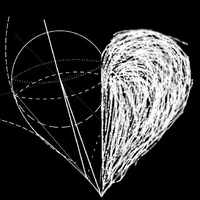
Distilled Decoding 2: One-step Sampling of Image Auto-regressive Models with Conditional Score Distillation
Image Auto-regressive (AR) models have emerged as a powerful paradigm of visual generative models. Despite their promising performance, they suffer from slow generation speed due to the large number of sampling steps required. Although Distilled Decoding 1 (DD1) was recently proposed to enable few-step sampling for image AR models, it still incurs significant performance degradation in the one-step setting, and relies on a pre-defined mapping that limits its flexibility. In this work, we propose a new method, Distilled Decoding 2 (DD2), to further advances the feasibility of one-step sampling for image AR models. Unlike DD1, DD2 does not without rely on a pre-defined mapping. We view the original AR model as a teacher model which provides the ground truth conditional score in the latent embedding space at each token position. Based on this, we propose a novel conditional score distillation loss to train a one-step generator. Specifically, we train a separate network to predict the conditional score of the generated distribution and apply score distillation at every token position conditioned on previous tokens. Experimental results show that DD2 enables one-step sampling for image AR models with an minimal FID increase from 3.40 to 5.43 on ImageNet-256. Compared to the strongest baseline DD1, DD2 reduces the gap between the one-step sampling and original AR model by 67%, with up to 12.3times training speed-up simultaneously. DD2 takes a significant step toward the goal of one-step AR generation, opening up new possibilities for fast and high-quality AR modeling. Code is available at https://github.com/imagination-research/Distilled-Decoding-2.


S2D2: Fast Decoding for Diffusion LLMs via Training-Free Self-Speculation
Block-diffusion language models offer a promising path toward faster-than-autoregressive generation by combining block-wise autoregressive decoding with within-block parallel denoising. However, in the few-step regime needed for practical acceleration, standard confidence-thresholded decoding is often brittle: aggressive thresholds hurt quality, while conservative thresholds require unnecessary denoising steps. Existing approaches that address this issue either require additional training or incur extra test-time compute. We present S2D2, a training-free self-speculative decoding framework for block-diffusion language models. Our key observation is that a block-diffusion model becomes autoregressive when the block size is reduced to one, allowing the same pretrained model to act as both drafter and verifier. S2D2 inserts a speculative verification step into standard block-diffusion decoding and uses lightweight routing policies to decide when verification is worth its cost. This yields a hybrid decoding trajectory in which diffusion proposes tokens in parallel, while the autoregressive mode acts as a local sequence-level critic. Across three mainstream block-diffusion families, S2D2 consistently improves the accuracy-speed tradeoff over strong confidence-thresholding baselines. On SDAR, we observe up to 4.7times speedup over autoregressive decoding, and up to 1.57times over a tuned dynamic decoding baseline while improving accuracy by up to 4.5 points. On LLaDA2.1-Mini, S2D2 remains complementary to built-in self-correction, including a conservative setting where it is 4.4times faster than the static baseline with slightly higher accuracy.

DEL: Context-Aware Dynamic Exit Layer for Efficient Self-Speculative Decoding
Speculative Decoding (SD) is a widely used approach to accelerate the inference of large language models (LLMs) without reducing generation quality. It operates by first using a compact model to draft multiple tokens efficiently, followed by parallel verification using the target LLM. This approach leads to faster inference compared to auto-regressive decoding. While there are multiple approaches to create a draft model, one promising approach is to use early-exit methods. These methods draft candidate tokens by using a subset of layers of the primary model and applying the remaining layers for verification, allowing a single model to handle both drafting and verification. While this technique reduces memory usage and computational cost, its performance relies on the choice of the exit layer for drafting and the number of tokens drafted (speculation length) in each SD round. Prior works use hyperparameter exploration to statically select these values. However, our evaluations show that these hyperparameter values are task-specific, and even within a task they are dependent on the current sequence context. We introduce DEL, a plug-and-play method that adaptively selects the exit layer and speculation length during inference. DEL dynamically tracks the token acceptance rate if the tokens are drafted at each layer of an LLM and uses that knowledge to heuristically select the optimal exit layer and speculation length. Our experiments across a broad range of models and downstream tasks show that DEL achieves overall speedups of 2.16timessim2.50times over vanilla auto-regressive decoding and improves upon the state-of-the-art SD methods by up to 0.27times.
Self-Speculative Decoding for LLM-based ASR with CTC Encoder Drafts
We propose self-speculative decoding for speech-aware LLMs by using the CTC encoder as a draft model to accelerate auto-regressive (AR) inference and improve ASR accuracy. Our three-step procedure works as follows: (1) if the frame entropies of the CTC output distributions are below a threshold, the greedy CTC hypothesis is accepted as final; (2) otherwise, the CTC hypothesis is verified in a single LLM forward pass using a relaxed acceptance criterion based on token likelihoods; (3) if verification fails, AR decoding resumes from the accepted CTC prefix. Experiments on nine corpora and five languages show that this approach can simultaneously accelerate decoding and reduce WER. On the HuggingFace Open ASR benchmark with a 1B parameter LLM and 440M parameter CTC encoder, we achieve a record 5.58% WER and improve the inverse real time factor by a factor of 4.4 with only a 12% relative WER increase over AR search. Code and model weights are publicly available under a permissive license.

A Markov Categorical Framework for Language Modeling
Auto-regressive language models factorize sequence probabilities and are trained by minimizing the negative log-likelihood (NLL) objective. While empirically powerful, a deep theoretical understanding of why this simple objective yields such versatile representations remains elusive. This work introduces a unifying analytical framework using Markov Categories (MCs) to deconstruct the AR generation process and the NLL objective. We model the single-step generation map as a composition of Markov kernels in the category Stoch. This compositional view, when enriched with statistical divergences, allows us to dissect information flow and learned geometry. Our framework makes three main contributions. First, we provide a formal, information-theoretic rationale for the success of modern speculative decoding methods like EAGLE, quantifying the information surplus in hidden states that these methods exploit. Second, we formalize how NLL minimization forces the model to learn not just the next token, but the data's intrinsic conditional stochasticity, a process we analyze using categorical entropy. Third, and most centrally, we prove that NLL training acts as an implicit form of spectral contrastive learning. By analyzing the information geometry of the model's prediction head, we show that NLL implicitly forces the learned representation space to align with the eigenspectrum of a predictive similarity operator, thereby learning a geometrically structured space without explicit contrastive pairs. This compositional and information-geometric perspective reveals the deep structural principles underlying the effectiveness of modern LMs. Project Page: https://github.com/asiresearch/lm-theory

Accelerating Transformer Inference for Translation via Parallel Decoding
Autoregressive decoding limits the efficiency of transformers for Machine Translation (MT). The community proposed specific network architectures and learning-based methods to solve this issue, which are expensive and require changes to the MT model, trading inference speed at the cost of the translation quality. In this paper, we propose to address the problem from the point of view of decoding algorithms, as a less explored but rather compelling direction. We propose to reframe the standard greedy autoregressive decoding of MT with a parallel formulation leveraging Jacobi and Gauss-Seidel fixed-point iteration methods for fast inference. This formulation allows to speed up existing models without training or modifications while retaining translation quality. We present three parallel decoding algorithms and test them on different languages and models showing how the parallelization introduces a speedup up to 38% w.r.t. the standard autoregressive decoding and nearly 2x when scaling the method on parallel resources. Finally, we introduce a decoding dependency graph visualizer (DDGviz) that let us see how the model has learned the conditional dependence between tokens and inspect the decoding procedure.


Unlocking Efficiency in Large Language Model Inference: A Comprehensive Survey of Speculative Decoding
To mitigate the high inference latency stemming from autoregressive decoding in Large Language Models (LLMs), Speculative Decoding has emerged as a novel decoding paradigm for LLM inference. In each decoding step, this method first efficiently drafts several future tokens and then verifies them in parallel. Unlike autoregressive decoding, Speculative Decoding facilitates the simultaneous decoding of multiple tokens per step, thereby accelerating inference. This paper presents a comprehensive overview and analysis of this promising decoding paradigm. We begin by providing a formal definition and formulation of Speculative Decoding. Then, we organize in-depth discussions on its key facets, including current leading techniques, the challenges faced, and potential future directions in this field. We aim for this work to serve as a catalyst for further research on Speculative Decoding, ultimately contributing to more efficient LLM inference.


Cascaded Text Generation with Markov Transformers
The two dominant approaches to neural text generation are fully autoregressive models, using serial beam search decoding, and non-autoregressive models, using parallel decoding with no output dependencies. This work proposes an autoregressive model with sub-linear parallel time generation. Noting that conditional random fields with bounded context can be decoded in parallel, we propose an efficient cascaded decoding approach for generating high-quality output. To parameterize this cascade, we introduce a Markov transformer, a variant of the popular fully autoregressive model that allows us to simultaneously decode with specific autoregressive context cutoffs. This approach requires only a small modification from standard autoregressive training, while showing competitive accuracy/speed tradeoff compared to existing methods on five machine translation datasets.


φ-Decoding: Adaptive Foresight Sampling for Balanced Inference-Time Exploration and Exploitation
Inference-time optimization scales computation to derive deliberate reasoning steps for effective performance. While previous search-based strategies address the short-sightedness of auto-regressive generation, the vast search space leads to excessive exploration and insufficient exploitation. To strike an efficient balance to derive the optimal step, we frame the decoding strategy as foresight sampling, leveraging simulated future steps to obtain globally optimal step estimation. Built on it, we propose a novel decoding strategy, named phi-Decoding. To provide a precise and expressive estimation of step value, phi-Decoding approximates two distributions via foresight and clustering. Sampling from the joint distribution, the optimal steps can be selected for exploitation. To support adaptive computation allocation, we propose in-width and in-depth pruning strategies, featuring a light-weight solution to achieve inference efficiency. Extensive experiments across seven benchmarks show phi-Decoding outperforms strong baselines in both performance and efficiency. Additional analysis demonstrates its generalization across various LLMs and scalability across a wide range of computing budgets. The code will be released at https://github.com/xufangzhi/phi-Decoding, and the open-source PyPI package is coming soon.



Fast Inference from Transformers via Speculative Decoding
Inference from large autoregressive models like Transformers is slow - decoding K tokens takes K serial runs of the model. In this work we introduce speculative decoding - an algorithm to sample from autoregressive models faster without any changes to the outputs, by computing several tokens in parallel. At the heart of our approach lie the observations that (1) hard language-modeling tasks often include easier subtasks that can be approximated well by more efficient models, and (2) using speculative execution and a novel sampling method, we can make exact decoding from the large models faster, by running them in parallel on the outputs of the approximation models, potentially generating several tokens concurrently, and without changing the distribution. Our method can accelerate existing off-the-shelf models without retraining or architecture changes. We demonstrate it on T5-XXL and show a 2X-3X acceleration compared to the standard T5X implementation, with identical outputs.

GEAR: An Efficient KV Cache Compression Recipefor Near-Lossless Generative Inference of LLM
Key-value (KV) caching has become the de-facto to accelerate generation speed for large language models (LLMs) inference. However, the growing cache demand with increasing sequence length has transformed LLM inference to be a memory bound problem, significantly constraining the system throughput. Existing methods rely on dropping unimportant tokens or quantizing all entries uniformly. Such methods, however, often incur high approximation errors to represent the compressed matrices. The autoregressive decoding process further compounds the error of each step, resulting in critical deviation in model generation and deterioration of performance. To tackle this challenge, we propose GEAR, an efficient KV cache compression framework that achieves near-lossless high-ratio compression. GEAR first applies quantization to majority of entries of similar magnitudes to ultra-low precision. It then employs a low rank matrix to approximate the quantization error, and a sparse matrix to remedy individual errors from outlier entries. By adeptly integrating three techniques, GEAR is able to fully exploit their synergistic potentials. Our experiments demonstrate that compared to alternatives, GEAR achieves near-lossless 4-bit KV cache compression with up to 2.38x throughput improvement, while reducing peak-memory size up to 2.29x. Our code is publicly available at https://github.com/HaoKang-Timmy/GEAR.


Autoencoder based Randomized Learning of Feedforward Neural Networks for Regression
Feedforward neural networks are widely used as universal predictive models to fit data distribution. Common gradient-based learning, however, suffers from many drawbacks making the training process ineffective and time-consuming. Alternative randomized learning does not use gradients but selects hidden node parameters randomly. This makes the training process extremely fast. However, the problem in randomized learning is how to determine the random parameters. A recently proposed method uses autoencoders for unsupervised parameter learning. This method showed superior performance on classification tasks. In this work, we apply this method to regression problems, and, finding that it has some drawbacks, we show how to improve it. We propose a learning method of autoencoders that controls the produced random weights. We also propose how to determine the biases of hidden nodes. We empirically compare autoencoder based learning with other randomized learning methods proposed recently for regression and find that despite the proposed improvement of the autoencoder based learning, it does not outperform its competitors in fitting accuracy. Moreover, the method is much more complex than its competitors.
ParallelSpec: Parallel Drafter for Efficient Speculative Decoding
Speculative decoding has proven to be an efficient solution to large language model (LLM) inference, where the small drafter predicts future tokens at a low cost, and the target model is leveraged to verify them in parallel. However, most existing works still draft tokens auto-regressively to maintain sequential dependency in language modeling, which we consider a huge computational burden in speculative decoding. We present ParallelSpec, an alternative to auto-regressive drafting strategies in state-of-the-art speculative decoding approaches. In contrast to auto-regressive drafting in the speculative stage, we train a parallel drafter to serve as an efficient speculative model. ParallelSpec learns to efficiently predict multiple future tokens in parallel using a single model, and it can be integrated into any speculative decoding framework that requires aligning the output distributions of the drafter and the target model with minimal training cost. Experimental results show that ParallelSpec accelerates baseline methods in latency up to 62% on text generation benchmarks from different domains, and it achieves 2.84X overall speedup on the Llama-2-13B model using third-party evaluation criteria.

CART: Compositional Auto-Regressive Transformer for Image Generation
In recent years, image synthesis has achieved remarkable advancements, enabling diverse applications in content creation, virtual reality, and beyond. We introduce a novel approach to image generation using Auto-Regressive (AR) modeling, which leverages a next-detail prediction strategy for enhanced fidelity and scalability. While AR models have achieved transformative success in language modeling, replicating this success in vision tasks has presented unique challenges due to the inherent spatial dependencies in images. Our proposed method addresses these challenges by iteratively adding finer details to an image compositionally, constructing it as a hierarchical combination of base and detail image factors. This strategy is shown to be more effective than the conventional next-token prediction and even surpasses the state-of-the-art next-scale prediction approaches. A key advantage of this method is its scalability to higher resolutions without requiring full model retraining, making it a versatile solution for high-resolution image generation.
Vector-Quantized Autoregressive Predictive Coding
Autoregressive Predictive Coding (APC), as a self-supervised objective, has enjoyed success in learning representations from large amounts of unlabeled data, and the learned representations are rich for many downstream tasks. However, the connection between low self-supervised loss and strong performance in downstream tasks remains unclear. In this work, we propose Vector-Quantized Autoregressive Predictive Coding (VQ-APC), a novel model that produces quantized representations, allowing us to explicitly control the amount of information encoded in the representations. By studying a sequence of increasingly limited models, we reveal the constituents of the learned representations. In particular, we confirm the presence of information with probing tasks, while showing the absence of information with mutual information, uncovering the model's preference in preserving speech information as its capacity becomes constrained. We find that there exists a point where phonetic and speaker information are amplified to maximize a self-supervised objective. As a byproduct, the learned codes for a particular model capacity correspond well to English phones.
Hydra: Sequentially-Dependent Draft Heads for Medusa Decoding
To combat the memory bandwidth-bound nature of autoregressive LLM inference, previous research has proposed the speculative decoding framework. To perform speculative decoding, a small draft model proposes candidate continuations of the input sequence, that are then verified in parallel by the base model. One way to specify the draft model, as used in the recent Medusa decoding framework, is as a collection of light-weight heads, called draft heads, that operate on the base model's hidden states. To date, all existing draft heads have been sequentially independent, meaning that they speculate tokens in the candidate continuation independently of any preceding tokens in the candidate continuation. In this work, we propose Hydra heads, a sequentially dependent, drop-in replacement for standard draft heads that significantly improves speculation accuracy. Decoding with Hydra heads improves throughput compared to Medusa decoding with standard draft heads. We further explore the design space of Hydra head training objectives and architectures, and propose a carefully-tuned Hydra head recipe, which we call Hydra++, that improves decoding throughput by 1.31x and 2.71x compared to Medusa decoding and autoregressive decoding, respectively. Overall, Hydra heads are a simple intervention on standard draft heads that significantly improve the end-to-end speed of draft head based speculative decoding.


Blockwise Parallel Decoding for Deep Autoregressive Models
Deep autoregressive sequence-to-sequence models have demonstrated impressive performance across a wide variety of tasks in recent years. While common architecture classes such as recurrent, convolutional, and self-attention networks make different trade-offs between the amount of computation needed per layer and the length of the critical path at training time, generation still remains an inherently sequential process. To overcome this limitation, we propose a novel blockwise parallel decoding scheme in which we make predictions for multiple time steps in parallel then back off to the longest prefix validated by a scoring model. This allows for substantial theoretical improvements in generation speed when applied to architectures that can process output sequences in parallel. We verify our approach empirically through a series of experiments using state-of-the-art self-attention models for machine translation and image super-resolution, achieving iteration reductions of up to 2x over a baseline greedy decoder with no loss in quality, or up to 7x in exchange for a slight decrease in performance. In terms of wall-clock time, our fastest models exhibit real-time speedups of up to 4x over standard greedy decoding.
Improving Autoregressive Image Generation through Coarse-to-Fine Token Prediction
Autoregressive models have shown remarkable success in image generation by adapting sequential prediction techniques from language modeling. However, applying these approaches to images requires discretizing continuous pixel data through vector quantization methods like VQ-VAE. To alleviate the quantization errors that existed in VQ-VAE, recent works tend to use larger codebooks. However, this will accordingly expand vocabulary size, complicating the autoregressive modeling task. This paper aims to find a way to enjoy the benefits of large codebooks without making autoregressive modeling more difficult. Through empirical investigation, we discover that tokens with similar codeword representations produce similar effects on the final generated image, revealing significant redundancy in large codebooks. Based on this insight, we propose to predict tokens from coarse to fine (CTF), realized by assigning the same coarse label for similar tokens. Our framework consists of two stages: (1) an autoregressive model that sequentially predicts coarse labels for each token in the sequence, and (2) an auxiliary model that simultaneously predicts fine-grained labels for all tokens conditioned on their coarse labels. Experiments on ImageNet demonstrate our method's superior performance, achieving an average improvement of 59 points in Inception Score compared to baselines. Notably, despite adding an inference step, our approach achieves faster sampling speeds.


Hardware-Aware Parallel Prompt Decoding for Memory-Efficient Acceleration of LLM Inference
The auto-regressive decoding of Large Language Models (LLMs) results in significant overheads in their hardware performance. While recent research has investigated various speculative decoding techniques for multi-token generation, these efforts have primarily focused on improving processing speed such as throughput. Crucially, they often neglect other metrics essential for real-life deployments, such as memory consumption and training cost. To overcome these limitations, we propose a novel parallel prompt decoding that requires only 0.0002% trainable parameters, enabling efficient training on a single A100-40GB GPU in just 16 hours. Inspired by the human natural language generation process, PPD approximates outputs generated at future timesteps in parallel by using multiple prompt tokens. This approach partially recovers the missing conditional dependency information necessary for multi-token generation, resulting in up to a 28% higher acceptance rate for long-range predictions. Furthermore, we present a hardware-aware dynamic sparse tree technique that adaptively optimizes this decoding scheme to fully leverage the computational capacities on different GPUs. Through extensive experiments across LLMs ranging from MobileLlama to Vicuna-13B on a wide range of benchmarks, our approach demonstrates up to 2.49times speedup and maintains a minimal runtime memory overhead of just 0.0004%. More importantly, our parallel prompt decoding can serve as an orthogonal optimization for synergistic integration with existing speculative decoding, showing up to 1.22times further speed improvement. Our code is available at https://github.com/hmarkc/parallel-prompt-decoding.


CodeFusion: A Pre-trained Diffusion Model for Code Generation
Imagine a developer who can only change their last line of code, how often would they have to start writing a function from scratch before it is correct? Auto-regressive models for code generation from natural language have a similar limitation: they do not easily allow reconsidering earlier tokens generated. We introduce CodeFusion, a pre-trained diffusion code generation model that addresses this limitation by iteratively denoising a complete program conditioned on the encoded natural language. We evaluate CodeFusion on the task of natural language to code generation for Bash, Python, and Microsoft Excel conditional formatting (CF) rules. Experiments show that CodeFusion (75M parameters) performs on par with state-of-the-art auto-regressive systems (350M-175B parameters) in top-1 accuracy and outperforms them in top-3 and top-5 accuracy due to its better balance in diversity versus quality.

Superposed Decoding: Multiple Generations from a Single Autoregressive Inference Pass
Many applications today provide users with multiple auto-complete drafts as they type, including GitHub's code completion, Gmail's smart compose, and Apple's messaging auto-suggestions. Under the hood, language models support this by running an autoregressive inference pass to provide a draft. Consequently, providing k drafts to the user requires running an expensive language model k times. To alleviate the computation cost of running k inference passes, we propose Superposed Decoding, a new decoding algorithm that generates k drafts at the computation cost of one autoregressive inference pass. We achieve this by feeding a superposition of the most recent token embeddings from the k drafts as input to the next decoding step of the language model. At every inference step we combine the k drafts with the top-k tokens to get k^2 new drafts and cache the k most likely options, using an n-gram interpolation with minimal compute overhead to filter out incoherent generations. Our experiments show that k drafts from Superposed Decoding are at least as coherent and factual as Nucleus Sampling and Greedy Decoding respectively, while being at least 2.44times faster for kge3. In a compute-normalized setting, user evaluations demonstrably favor text generated by Superposed Decoding over Nucleus Sampling. Code and more examples open-sourced at https://github.com/RAIVNLab/SuperposedDecoding.

Supervised sparse auto-encoders as unconstrained feature models for semantic composition
Sparse auto-encoders (SAEs) have re-emerged as a prominent method for mechanistic interpretability, yet they face two significant challenges: the non-smoothness of the L_1 penalty, which hinders reconstruction and scalability, and a lack of alignment between learned features and human semantics. In this paper, we address these limitations by adapting unconstrained feature models-a mathematical framework from neural collapse theory-and by supervising the task. We supervise (decoder-only) SAEs to reconstruct feature vectors by jointly learning sparse concept embeddings and decoder weights. Validated on Stable Diffusion 3.5, our approach demonstrates compositional generalization, successfully reconstructing images with concept combinations unseen during training, and enabling feature-level intervention for semantic image editing without prompt modification.
Speculative Speculative Decoding
Autoregressive decoding is bottlenecked by its sequential nature. Speculative decoding has become a standard way to accelerate inference by using a fast draft model to predict upcoming tokens from a slower target model, and then verifying them in parallel with a single target model forward pass. However, speculative decoding itself relies on a sequential dependence between speculation and verification. We introduce speculative speculative decoding (SSD) to parallelize these operations. While a verification is ongoing, the draft model predicts likely verification outcomes and prepares speculations pre-emptively for them. If the actual verification outcome is then in the predicted set, a speculation can be returned immediately, eliminating drafting overhead entirely. We identify three key challenges presented by speculative speculative decoding, and suggest principled methods to solve each. The result is Saguaro, an optimized SSD algorithm. Our implementation is up to 2x faster than optimized speculative decoding baselines and up to 5x faster than autoregressive decoding with open source inference engines.
TraDE: Transformers for Density Estimation
We present TraDE, a self-attention-based architecture for auto-regressive density estimation with continuous and discrete valued data. Our model is trained using a penalized maximum likelihood objective, which ensures that samples from the density estimate resemble the training data distribution. The use of self-attention means that the model need not retain conditional sufficient statistics during the auto-regressive process beyond what is needed for each covariate. On standard tabular and image data benchmarks, TraDE produces significantly better density estimates than existing approaches such as normalizing flow estimators and recurrent auto-regressive models. However log-likelihood on held-out data only partially reflects how useful these estimates are in real-world applications. In order to systematically evaluate density estimators, we present a suite of tasks such as regression using generated samples, out-of-distribution detection, and robustness to noise in the training data and demonstrate that TraDE works well in these scenarios.

DPAR: Dynamic Patchification for Efficient Autoregressive Visual Generation
Decoder-only autoregressive image generation typically relies on fixed-length tokenization schemes whose token counts grow quadratically with resolution, substantially increasing the computational and memory demands of attention. We present DPAR, a novel decoder-only autoregressive model that dynamically aggregates image tokens into a variable number of patches for efficient image generation. Our work is the first to demonstrate that next-token prediction entropy from a lightweight and unsupervised autoregressive model provides a reliable criterion for merging tokens into larger patches based on information content. DPAR makes minimal modifications to the standard decoder architecture, ensuring compatibility with multimodal generation frameworks and allocating more compute to generation of high-information image regions. Further, we demonstrate that training with dynamically sized patches yields representations that are robust to patch boundaries, allowing DPAR to scale to larger patch sizes at inference. DPAR reduces token count by 1.81x and 2.06x on Imagenet 256 and 384 generation resolution respectively, leading to a reduction of up to 40% FLOPs in training costs. Further, our method exhibits faster convergence and improves FID by up to 27.1% relative to baseline models.

Drop your Decoder: Pre-training with Bag-of-Word Prediction for Dense Passage Retrieval
Masked auto-encoder pre-training has emerged as a prevalent technique for initializing and enhancing dense retrieval systems. It generally utilizes additional Transformer decoder blocks to provide sustainable supervision signals and compress contextual information into dense representations. However, the underlying reasons for the effectiveness of such a pre-training technique remain unclear. The usage of additional Transformer-based decoders also incurs significant computational costs. In this study, we aim to shed light on this issue by revealing that masked auto-encoder (MAE) pre-training with enhanced decoding significantly improves the term coverage of input tokens in dense representations, compared to vanilla BERT checkpoints. Building upon this observation, we propose a modification to the traditional MAE by replacing the decoder of a masked auto-encoder with a completely simplified Bag-of-Word prediction task. This modification enables the efficient compression of lexical signals into dense representations through unsupervised pre-training. Remarkably, our proposed method achieves state-of-the-art retrieval performance on several large-scale retrieval benchmarks without requiring any additional parameters, which provides a 67% training speed-up compared to standard masked auto-encoder pre-training with enhanced decoding.
On the Quantization Robustness of Diffusion Language Models in Coding Benchmarks
Auto-regressive Large Language Models (LLMs) achieve strong performance on coding tasks, but incur high memory and inference costs. Diffusion-based language models (d-LLMs) offer bounded inference cost via iterative denoising, but their behavior under post-training quantization (PTQ) has been sparsely explored. We investigate the application and robustness of PTQ techniques, specifically GPTQ and a modified Hessian-Aware Quantization (HAWQ) algorithm, on a diffusion-based coding LLM (CoDA) and observe that these methods applied to CoDA exhibit greater robustness at low bitwidths compared to Qwen3-1.7B, its auto-regressive counterpart, under a standardized evaluation pipeline. We find that in our setup, CoDA exhibits greater robustness at low bitwidths (2-4 bits), with smaller accuracy degradation across HumanEval and MBPP benchmarks. Additionally, mixed-precision configurations derived from HAWQ provide smooth trade-offs across accuracy, latency, and memory. The results suggest that diffusion LLMs may offer advantages for efficient deployment due to more quantization-resilience.
On the Power of Decision Trees in Auto-Regressive Language Modeling
Originally proposed for handling time series data, Auto-regressive Decision Trees (ARDTs) have not yet been explored for language modeling. This paper delves into both the theoretical and practical applications of ARDTs in this new context. We theoretically demonstrate that ARDTs can compute complex functions, such as simulating automata, Turing machines, and sparse circuits, by leveraging "chain-of-thought" computations. Our analysis provides bounds on the size, depth, and computational efficiency of ARDTs, highlighting their surprising computational power. Empirically, we train ARDTs on simple language generation tasks, showing that they can learn to generate coherent and grammatically correct text on par with a smaller Transformer model. Additionally, we show that ARDTs can be used on top of transformer representations to solve complex reasoning tasks. This research reveals the unique computational abilities of ARDTs, aiming to broaden the architectural diversity in language model development.


CD4LM: Consistency Distillation and aDaptive Decoding for Diffusion Language Models
Autoregressive large language models achieve strong results on many benchmarks, but decoding remains fundamentally latency-limited by sequential dependence on previously generated tokens. Diffusion language models (DLMs) promise parallel generation but suffer from a fundamental static-to-dynamic misalignment: Training optimizes local transitions under fixed schedules, whereas efficient inference requires adaptive "long-jump" refinements through unseen states. Our goal is to enable highly parallel decoding for DLMs with low number of function evaluations while preserving generation quality. To achieve this, we propose CD4LM, a framework that decouples training from inference via Discrete-Space Consistency Distillation (DSCD) and Confidence-Adaptive Decoding (CAD). Unlike standard objectives, DSCD trains a student to be trajectory-invariant, mapping diverse noisy states directly to the clean distribution. This intrinsic robustness enables CAD to dynamically allocate compute resources based on token confidence, aggressively skipping steps without the quality collapse typical of heuristic acceleration. On GSM8K, CD4LM matches the LLaDA baseline with a 5.18x wall-clock speedup; across code and math benchmarks, it strictly dominates the accuracy-efficiency Pareto frontier, achieving a 3.62x mean speedup while improving average accuracy. Code is available at https://github.com/yihao-liang/CDLM
AutoTimes: Autoregressive Time Series Forecasters via Large Language Models
Foundation models of time series have not been fully developed due to the limited availability of time series corpora and the underexploration of scalable pre-training. Based on the similar sequential formulation of time series and natural language, increasing research demonstrates the feasibility of leveraging large language models (LLM) for time series. Nevertheless, the inherent autoregressive property and decoder-only architecture of LLMs have not been fully considered, resulting in insufficient utilization of LLM abilities. To fully revitalize the general-purpose token transition and multi-step generation capability of large language models, we propose AutoTimes to repurpose LLMs as autoregressive time series forecasters, which projects time series into the embedding space of language tokens and autoregressively generates future predictions with arbitrary lengths. Compatible with any decoder-only LLMs, the consequent forecaster exhibits the flexibility of the lookback length and scalability with larger LLMs. Further, we formulate time series as prompts, extending the context for prediction beyond the lookback window, termed in-context forecasting. By introducing LLM-embedded textual timestamps, AutoTimes can utilize chronological information to align multivariate time series. Empirically, AutoTimes achieves state-of-the-art with 0.1% trainable parameters and over 5times training/inference speedup compared to advanced LLM-based forecasters. Code is available at this repository: https://github.com/thuml/AutoTimes.
Beyond Token-level Supervision: Unlocking the Potential of Decoding-based Regression via Reinforcement Learning
Decoding-based regression, which reformulates regression as a sequence generation task, has emerged as a promising paradigm of applying large language models for numerical prediction. However, its progress is hindered by the misalignment between discrete token-level objectives (e.g., cross-entropy) and continuous numerical values. Existing approaches relying on token-level constraints often fail to capture the global magnitude of the target value, limiting their precision and generalization. In this paper, we propose to unlock the potential of decoding-based regression via Reinforcement Learning (RL). We formulate the generation process as a Markov Decision Process, utilizing sequence-level rewards to enforce global numerical coherence. Extensive experiments on tabular regression and code metric regression demonstrate that our method (specifically with ReMax and GRPO) consistently outperforms both state-of-the-art token-level baselines and traditional regression heads, showing the superiority of introducing sequence-level signals. Our analysis further reveals that RL significantly enhances sampling efficiency and predictive precision, establishing decoding-based regression as a robust and accurate paradigm for general-purpose numerical prediction.

Continuous Speculative Decoding for Autoregressive Image Generation
Continuous-valued Autoregressive (AR) image generation models have demonstrated notable superiority over their discrete-token counterparts, showcasing considerable reconstruction quality and higher generation fidelity. However, the computational demands of the autoregressive framework result in significant inference overhead. While speculative decoding has proven effective in accelerating Large Language Models (LLMs), their adaptation to continuous-valued visual autoregressive models remains unexplored. This work generalizes the speculative decoding algorithm from discrete tokens to continuous space. By analyzing the intrinsic properties of output distribution, we establish a tailored acceptance criterion for the diffusion distributions prevalent in such models. To overcome the inconsistency that occurred in speculative decoding output distributions, we introduce denoising trajectory alignment and token pre-filling methods. Additionally, we identify the hard-to-sample distribution in the rejection phase. To mitigate this issue, we propose a meticulous acceptance-rejection sampling method with a proper upper bound, thereby circumventing complex integration. Experimental results show that our continuous speculative decoding achieves a remarkable 2.33times speed-up on off-the-shelf models while maintaining the output distribution. Codes will be available at https://github.com/MarkXCloud/CSpD


Parallel Decoding via Hidden Transfer for Lossless Large Language Model Acceleration
Large language models (LLMs) have recently shown remarkable performance across a wide range of tasks. However, the substantial number of parameters in LLMs contributes to significant latency during model inference. This is particularly evident when utilizing autoregressive decoding methods, which generate one token in a single forward process, thereby not fully capitalizing on the parallel computing capabilities of GPUs. In this paper, we propose a novel parallel decoding approach, namely hidden transfer, which decodes multiple successive tokens simultaneously in a single forward pass. The idea is to transfer the intermediate hidden states of the previous context to the pseudo hidden states of the future tokens to be generated, and then the pseudo hidden states will pass the following transformer layers thereby assimilating more semantic information and achieving superior predictive accuracy of the future tokens. Besides, we use the novel tree attention mechanism to simultaneously generate and verify multiple candidates of output sequences, which ensure the lossless generation and further improves the generation efficiency of our method. Experiments demonstrate the effectiveness of our method. We conduct a lot of analytic experiments to prove our motivation. In terms of acceleration metrics, we outperform all the single-model acceleration techniques, including Medusa and Self-Speculative decoding.


Grouped Speculative Decoding for Autoregressive Image Generation
Recently, autoregressive (AR) image models have demonstrated remarkable generative capabilities, positioning themselves as a compelling alternative to diffusion models. However, their sequential nature leads to long inference times, limiting their practical scalability. In this work, we introduce Grouped Speculative Decoding (GSD), a novel, training-free acceleration method for AR image models. While recent studies have explored Speculative Decoding (SD) as a means to speed up AR image generation, existing approaches either provide only modest acceleration or require additional training. Our in-depth analysis reveals a fundamental difference between language and image tokens: image tokens exhibit inherent redundancy and diversity, meaning multiple tokens can convey valid semantics. However, traditional SD methods are designed to accept only a single most-likely token, which fails to leverage this difference, leading to excessive false-negative rejections. To address this, we propose a new SD strategy that evaluates clusters of visually valid tokens rather than relying on a single target token. Additionally, we observe that static clustering based on embedding distance is ineffective, which motivates our dynamic GSD approach. Extensive experiments show that GSD accelerates AR image models by an average of 3.7x while preserving image quality-all without requiring any additional training. The source code is available at https://github.com/junhyukso/GSD

Learning Versatile 3D Shape Generation with Improved AR Models
Auto-Regressive (AR) models have achieved impressive results in 2D image generation by modeling joint distributions in the grid space. While this approach has been extended to the 3D domain for powerful shape generation, it still has two limitations: expensive computations on volumetric grids and ambiguous auto-regressive order along grid dimensions. To overcome these limitations, we propose the Improved Auto-regressive Model (ImAM) for 3D shape generation, which applies discrete representation learning based on a latent vector instead of volumetric grids. Our approach not only reduces computational costs but also preserves essential geometric details by learning the joint distribution in a more tractable order. Moreover, thanks to the simplicity of our model architecture, we can naturally extend it from unconditional to conditional generation by concatenating various conditioning inputs, such as point clouds, categories, images, and texts. Extensive experiments demonstrate that ImAM can synthesize diverse and faithful shapes of multiple categories, achieving state-of-the-art performance.

MMAR: Towards Lossless Multi-Modal Auto-Regressive Probabilistic Modeling
Recent advancements in multi-modal large language models have propelled the development of joint probabilistic models capable of both image understanding and generation. However, we have identified that recent methods inevitably suffer from loss of image information during understanding task, due to either image discretization or diffusion denoising steps. To address this issue, we propose a novel Multi-Modal Auto-Regressive (MMAR) probabilistic modeling framework. Unlike discretization line of method, MMAR takes in continuous-valued image tokens to avoid information loss. Differing from diffusion-based approaches, we disentangle the diffusion process from auto-regressive backbone model by employing a light-weight diffusion head on top each auto-regressed image patch embedding. In this way, when the model transits from image generation to understanding through text generation, the backbone model's hidden representation of the image is not limited to the last denoising step. To successfully train our method, we also propose a theoretically proven technique that addresses the numerical stability issue and a training strategy that balances the generation and understanding task goals. Through extensive evaluations on 18 image understanding benchmarks, MMAR demonstrates much more superior performance than other joint multi-modal models, matching the method that employs pretrained CLIP vision encoder, meanwhile being able to generate high quality images at the same time. We also showed that our method is scalable with larger data and model size.
Personalized Text-to-Image Generation with Auto-Regressive Models
Personalized image synthesis has emerged as a pivotal application in text-to-image generation, enabling the creation of images featuring specific subjects in diverse contexts. While diffusion models have dominated this domain, auto-regressive models, with their unified architecture for text and image modeling, remain underexplored for personalized image generation. This paper investigates the potential of optimizing auto-regressive models for personalized image synthesis, leveraging their inherent multimodal capabilities to perform this task. We propose a two-stage training strategy that combines optimization of text embeddings and fine-tuning of transformer layers. Our experiments on the auto-regressive model demonstrate that this method achieves comparable subject fidelity and prompt following to the leading diffusion-based personalization methods. The results highlight the effectiveness of auto-regressive models in personalized image generation, offering a new direction for future research in this area.


D-AR: Diffusion via Autoregressive Models
This paper presents Diffusion via Autoregressive models (D-AR), a new paradigm recasting the image diffusion process as a vanilla autoregressive procedure in the standard next-token-prediction fashion. We start by designing the tokenizer that converts images into sequences of discrete tokens, where tokens in different positions can be decoded into different diffusion denoising steps in the pixel space. Thanks to the diffusion properties, these tokens naturally follow a coarse-to-fine order, which directly lends itself to autoregressive modeling. Therefore, we apply standard next-token prediction on these tokens, without modifying any underlying designs (either causal masks or training/inference strategies), and such sequential autoregressive token generation directly mirrors the diffusion procedure in image space. That is, once the autoregressive model generates an increment of tokens, we can directly decode these tokens into the corresponding diffusion denoising step in the streaming manner. Our pipeline naturally reveals several intriguing properties, for example, it supports consistent previews when generating only a subset of tokens and enables zero-shot layout-controlled synthesis. On the standard ImageNet benchmark, our method achieves 2.09 FID using a 775M Llama backbone with 256 discrete tokens. We hope our work can inspire future research on unified autoregressive architectures of visual synthesis, especially with large language models. Code and models will be available at https://github.com/showlab/D-AR


UT5: Pretraining Non autoregressive T5 with unrolled denoising
Recent advances in Transformer-based Large Language Models have made great strides in natural language generation. However, to decode K tokens, an autoregressive model needs K sequential forward passes, which may be a performance bottleneck for large language models. Many non-autoregressive (NAR) research are aiming to address this sequentiality bottleneck, albeit many have focused on a dedicated architecture in supervised benchmarks. In this work, we studied unsupervised pretraining for non auto-regressive T5 models via unrolled denoising and shown its SoTA results in downstream generation tasks such as SQuAD question generation and XSum.

Locality-aware Parallel Decoding for Efficient Autoregressive Image Generation
We present Locality-aware Parallel Decoding (LPD) to accelerate autoregressive image generation. Traditional autoregressive image generation relies on next-patch prediction, a memory-bound process that leads to high latency. Existing works have tried to parallelize next-patch prediction by shifting to multi-patch prediction to accelerate the process, but only achieved limited parallelization. To achieve high parallelization while maintaining generation quality, we introduce two key techniques: (1) Flexible Parallelized Autoregressive Modeling, a novel architecture that enables arbitrary generation ordering and degrees of parallelization. It uses learnable position query tokens to guide generation at target positions while ensuring mutual visibility among concurrently generated tokens for consistent parallel decoding. (2) Locality-aware Generation Ordering, a novel schedule that forms groups to minimize intra-group dependencies and maximize contextual support, enhancing generation quality. With these designs, we reduce the generation steps from 256 to 20 (256times256 res.) and 1024 to 48 (512times512 res.) without compromising quality on the ImageNet class-conditional generation, and achieving at least 3.4times lower latency than previous parallelized autoregressive models.



HMAR: Efficient Hierarchical Masked Auto-Regressive Image Generation
Visual Auto-Regressive modeling (VAR) has shown promise in bridging the speed and quality gap between autoregressive image models and diffusion models. VAR reformulates autoregressive modeling by decomposing an image into successive resolution scales. During inference, an image is generated by predicting all the tokens in the next (higher-resolution) scale, conditioned on all tokens in all previous (lower-resolution) scales. However, this formulation suffers from reduced image quality due to the parallel generation of all tokens in a resolution scale; has sequence lengths scaling superlinearly in image resolution; and requires retraining to change the sampling schedule. We introduce Hierarchical Masked Auto-Regressive modeling (HMAR), a new image generation algorithm that alleviates these issues using next-scale prediction and masked prediction to generate high-quality images with fast sampling. HMAR reformulates next-scale prediction as a Markovian process, wherein the prediction of each resolution scale is conditioned only on tokens in its immediate predecessor instead of the tokens in all predecessor resolutions. When predicting a resolution scale, HMAR uses a controllable multi-step masked generation procedure to generate a subset of the tokens in each step. On ImageNet 256x256 and 512x512 benchmarks, HMAR models match or outperform parameter-matched VAR, diffusion, and autoregressive baselines. We develop efficient IO-aware block-sparse attention kernels that allow HMAR to achieve faster training and inference times over VAR by over 2.5x and 1.75x respectively, as well as over 3x lower inference memory footprint. Finally, HMAR yields additional flexibility over VAR; its sampling schedule can be changed without further training, and it can be applied to image editing tasks in a zero-shot manner.

Understanding and Mitigating Tokenization Bias in Language Models
State-of-the-art language models are autoregressive and operate on subword units known as tokens. Specifically, one must encode the conditioning string into a list of tokens before passing to the language models for next-token prediction. We show that popular encoding schemes, such as maximum prefix encoding (MPE) and byte-pair-encoding (BPE), induce a sampling bias that cannot be mitigated with more training or data. To counter this universal problem, for each encoding scheme above, we propose a novel algorithm to obtain unbiased estimates from any language model trained on tokenized data. Our methods do not require finetuning the model, and the complexity, defined as the number of model runs, scales linearly with the sequence length in the case of MPE. As a result, we show that one can simulate token-free behavior from a tokenized language model. We empirically verify the correctness of our method through a Markov-chain setup, where it accurately recovers the transition probabilities, as opposed to the conventional method of directly prompting tokens into the language model.
Clover-2: Accurate Inference for Regressive Lightweight Speculative Decoding
Large Language Models (LLMs) frequently suffer from inefficiencies, largely attributable to the discord between the requirements of auto-regressive decoding and the architecture of contemporary GPUs. Recently, regressive lightweight speculative decoding has garnered attention for its notable efficiency improvements in text generation tasks. This approach utilizes a lightweight regressive draft model, like a Recurrent Neural Network (RNN) or a single transformer decoder layer, leveraging sequential information to iteratively predict potential tokens. Specifically, RNN draft models are computationally economical but tend to deliver lower accuracy, while attention decoder layer models exhibit the opposite traits. This paper presents Clover-2, an advanced iteration of Clover, an RNN-based draft model designed to achieve comparable accuracy to that of attention decoder layer models while maintaining minimal computational overhead. Clover-2 enhances the model architecture and incorporates knowledge distillation to increase Clover's accuracy and improve overall efficiency. We conducted experiments using the open-source Vicuna 7B and LLaMA3-Instruct 8B models. The results demonstrate that Clover-2 surpasses existing methods across various model architectures, showcasing its efficacy and robustness.

Auto-Regressive Next-Token Predictors are Universal Learners
Large language models display remarkable capabilities in logical and mathematical reasoning, allowing them to solve complex tasks. Interestingly, these abilities emerge in networks trained on the simple task of next-token prediction. In this work, we present a theoretical framework for studying auto-regressive next-token predictors. We demonstrate that even simple models such as linear next-token predictors, trained on Chain-of-Thought (CoT) data, can approximate any function efficiently computed by a Turing machine. We introduce a new complexity measure -- length complexity -- which measures the number of intermediate tokens in a CoT sequence required to approximate some target function, and analyze the interplay between length complexity and other notions of complexity. Finally, we show experimentally that simple next-token predictors, such as linear networks and shallow Multi-Layer Perceptrons (MLPs), display non-trivial performance on text generation and arithmetic tasks. Our results demonstrate that the power of language models can be attributed, to a great extent, to the auto-regressive next-token training scheme, and not necessarily to a particular choice of architecture.
AR-Diffusion: Auto-Regressive Diffusion Model for Text Generation
Diffusion models have gained significant attention in the realm of image generation due to their exceptional performance. Their success has been recently expanded to text generation via generating all tokens within a sequence concurrently. However, natural language exhibits a far more pronounced sequential dependency in comparison to images, and the majority of existing language models are trained utilizing a left-to-right auto-regressive approach. To account for the inherent sequential characteristic of natural language, we introduce Auto-Regressive Diffusion (AR-Diffusion). AR-Diffusion ensures that the generation of tokens on the right depends on the generated ones on the left, a mechanism achieved through employing a dynamic number of denoising steps that vary based on token position. This results in tokens on the left undergoing fewer denoising steps than those on the right, thereby enabling them to generate earlier and subsequently influence the generation of tokens on the right. In a series of experiments on various text generation tasks including text summarization, machine translation, and common sense generation, AR-Diffusion clearly demonstrated the superiority over existing diffusion language models and that it can be 100timessim600times faster when achieving comparable results. Our code will be publicly released.


RAIN: Your Language Models Can Align Themselves without Finetuning
Large language models (LLMs) often demonstrate inconsistencies with human preferences. Previous research gathered human preference data and then aligned the pre-trained models using reinforcement learning or instruction tuning, the so-called finetuning step. In contrast, aligning frozen LLMs without any extra data is more appealing. This work explores the potential of the latter setting. We discover that by integrating self-evaluation and rewind mechanisms, unaligned LLMs can directly produce responses consistent with human preferences via self-boosting. We introduce a novel inference method, Rewindable Auto-regressive INference (RAIN), that allows pre-trained LLMs to evaluate their own generation and use the evaluation results to guide backward rewind and forward generation for AI safety. Notably, RAIN operates without the need of extra data for model alignment and abstains from any training, gradient computation, or parameter updates; during the self-evaluation phase, the model receives guidance on which human preference to align with through a fixed-template prompt, eliminating the need to modify the initial prompt. Experimental results evaluated by GPT-4 and humans demonstrate the effectiveness of RAIN: on the HH dataset, RAIN improves the harmlessness rate of LLaMA 30B over vanilla inference from 82% to 97%, while maintaining the helpfulness rate. Under the leading adversarial attack llm-attacks on Vicuna 33B, RAIN establishes a new defense baseline by reducing the attack success rate from 94% to 19%.
Generative Pre-Training for Speech with Autoregressive Predictive Coding
Learning meaningful and general representations from unannotated speech that are applicable to a wide range of tasks remains challenging. In this paper we propose to use autoregressive predictive coding (APC), a recently proposed self-supervised objective, as a generative pre-training approach for learning meaningful, non-specific, and transferable speech representations. We pre-train APC on large-scale unlabeled data and conduct transfer learning experiments on three speech applications that require different information about speech characteristics to perform well: speech recognition, speech translation, and speaker identification. Extensive experiments show that APC not only outperforms surface features (e.g., log Mel spectrograms) and other popular representation learning methods on all three tasks, but is also effective at reducing downstream labeled data size and model parameters. We also investigate the use of Transformers for modeling APC and find it superior to RNNs.
WeDLM: Reconciling Diffusion Language Models with Standard Causal Attention for Fast Inference
Autoregressive (AR) generation is the standard decoding paradigm for Large Language Models (LLMs), but its token-by-token nature limits parallelism at inference time. Diffusion Language Models (DLLMs) offer parallel decoding by recovering multiple masked tokens per step; however, in practice they often fail to translate this parallelism into deployment speed gains over optimized AR engines (e.g., vLLM). A key reason is that many DLLMs rely on bidirectional attention, which breaks standard prefix KV caching and forces repeated contextualization, undermining efficiency. We propose WeDLM, a diffusion decoding framework built entirely on standard causal attention to make parallel generation prefix-cache friendly. The core idea is to let each masked position condition on all currently observed tokens while keeping a strict causal mask, achieved by Topological Reordering that moves observed tokens to the physical prefix while preserving their logical positions. Building on this property, we introduce a streaming decoding procedure that continuously commits confident tokens into a growing left-to-right prefix and maintains a fixed parallel workload, avoiding the stop-and-wait behavior common in block diffusion methods. Experiments show that WeDLM preserves the quality of strong AR backbones while delivering substantial speedups, approaching 3x on challenging reasoning benchmarks and up to 10x in low-entropy generation regimes; critically, our comparisons are against AR baselines served by vLLM under matched deployment settings, demonstrating that diffusion-style decoding can outperform an optimized AR engine in practice.
A Contrastive Pre-training Approach to Learn Discriminative Autoencoder for Dense Retrieval
Dense retrieval (DR) has shown promising results in information retrieval. In essence, DR requires high-quality text representations to support effective search in the representation space. Recent studies have shown that pre-trained autoencoder-based language models with a weak decoder can provide high-quality text representations, boosting the effectiveness and few-shot ability of DR models. However, even a weak autoregressive decoder has the bypass effect on the encoder. More importantly, the discriminative ability of learned representations may be limited since each token is treated equally important in decoding the input texts. To address the above problems, in this paper, we propose a contrastive pre-training approach to learn a discriminative autoencoder with a lightweight multi-layer perception (MLP) decoder. The basic idea is to generate word distributions of input text in a non-autoregressive fashion and pull the word distributions of two masked versions of one text close while pushing away from others. We theoretically show that our contrastive strategy can suppress the common words and highlight the representative words in decoding, leading to discriminative representations. Empirical results show that our method can significantly outperform the state-of-the-art autoencoder-based language models and other pre-trained models for dense retrieval.

Latent Refinement Decoding: Enhancing Diffusion-Based Language Models by Refining Belief States
Autoregressive (AR) models remain the standard for natural language generation but still suffer from high latency due to strictly sequential decoding. Recent diffusion-inspired approaches, such as LlaDA and Dream, mitigate this by generating in parallel, yet they suffer from two core limitations: information loss, as predictive distributions for non-finalized tokens are discarded at each step, and premature commitment, where local decisions are made without sufficient global coordination. We introduce Latent Refinement Decoding (LRD), a two-stage framework with Latent Refinement and a Predictive Feedback Loop. The first stage maintains masked positions as distributional mixtures of predicted tokens and the mask embedding, allowing the model to establish more globally consistent beliefs. The second stage progressively finalizes confident tokens while retaining uncertain ones for iterative feedback. KL-divergence dynamics provide a principled and reliable criterion for convergence and early stopping. Experiments across coding (HumanEval +6.3, MBPP +2.6) and reasoning (GSM8K +2.9, MATH500 +3.8) show that LRD improves accuracy while delivering speedups of up to 10.6x, making it a strong and versatile alternative for parallel sequence generation.

MARS: Enabling Autoregressive Models Multi-Token Generation
Autoregressive (AR) language models generate text one token at a time, even when consecutive tokens are highly predictable given earlier context. We introduce MARS (Mask AutoRegreSsion), a lightweight fine-tuning method that teaches an instruction-tuned AR model to predict multiple tokens per forward pass. MARS adds no architectural modifications, no extra parameters, and produces a single model that can still be called exactly like the original AR model with no performance degradation. Unlike speculative decoding, which maintains a separate draft model alongside the target, or multi-head approaches such as Medusa, which attach additional prediction heads, MARS requires only continued training on existing instruction data. When generating one token per forward pass, MARS matches or exceeds the AR baseline on six standard benchmarks. When allowed to accept multiple tokens per step, it maintains baseline-level accuracy while achieving 1.5-1.7x throughput. We further develop a block-level KV caching strategy for batch inference, achieving up to 1.71x wall-clock speedup over AR with KV cache on Qwen2.5-7B. Finally, MARS supports real-time speed adjustment via confidence thresholding: under high request load, the serving system can increase throughput on the fly without swapping models or restarting, providing a practical latency-quality knob for deployment.

M2R2: Mixture of Multi-Rate Residuals for Efficient Transformer Inference
Residual transformations enhance the representational depth and expressive power of large language models (LLMs). However, applying static residual transformations across all tokens in auto-regressive generation leads to a suboptimal trade-off between inference efficiency and generation fidelity. Existing methods, including Early Exiting, Skip Decoding, and Mixture-of-Depth address this by modulating the residual transformation based on token-level complexity. Nevertheless, these approaches predominantly consider the distance traversed by tokens through the model layers, neglecting the underlying velocity of residual evolution. We introduce Mixture of Multi-rate Residuals (M2R2), a framework that dynamically modulates residual velocity to improve early alignment, enhancing inference efficiency. Evaluations on reasoning oriented tasks such as Koala, Self-Instruct, WizardLM, and MT-Bench show M2R2 surpasses state-of-the-art distance-based strategies, balancing generation quality and speedup. In self-speculative decoding setup, M2R2 achieves up to 2.8x speedups on MT-Bench, outperforming methods like 2-model speculative decoding, Medusa, LookAhead Decoding, and DEED. In Mixture-of-Experts (MoE) architectures, integrating early residual alignment with ahead-of-time expert loading into high-bandwidth memory (HBM) accelerates decoding, reduces expert-switching bottlenecks, and achieves a 2.9x speedup, making it highly effective in resource-constrained environments.
Multi-modal Auto-regressive Modeling via Visual Words
Large Language Models (LLMs), benefiting from the auto-regressive modelling approach performed on massive unannotated texts corpora, demonstrates powerful perceptual and reasoning capabilities. However, as for extending auto-regressive modelling to multi-modal scenarios to build Large Multi-modal Models (LMMs), there lies a great difficulty that the image information is processed in the LMM as continuous visual embeddings, which cannot obtain discrete supervised labels for classification. In this paper, we successfully perform multi-modal auto-regressive modeling with a unified objective for the first time. Specifically, we propose the concept of visual words, which maps the visual features to probability distributions over LLM's vocabulary, providing supervision information for visual modelling. We further explore the distribution of visual features in the semantic space within LMM and the possibility of using text embeddings to represent visual information. Experimental results and ablation studies on 5 VQA tasks and 4 benchmark toolkits validate the powerful performance of our proposed approach.
Quantize More, Lose Less: Autoregressive Generation from Residually Quantized Speech Representations
Text-to-speech (TTS) synthesis has seen renewed progress under the discrete modeling paradigm. Existing autoregressive approaches often rely on single-codebook representations, which suffer from significant information loss. Even with post-hoc refinement techniques such as flow matching, these methods fail to recover fine-grained details (e.g., prosodic nuances, speaker-specific timbres), especially in challenging scenarios like singing voice or music synthesis. We propose QTTS, a novel TTS framework built upon our new audio codec, QDAC. The core innovation of QDAC lies in its end-to-end training of an ASR-based auto-regressive network with a GAN, which achieves superior semantic feature disentanglement for scalable, near-lossless compression. QTTS models these discrete codes using two innovative strategies: the Hierarchical Parallel architecture, which uses a dual-AR structure to model inter-codebook dependencies for higher-quality synthesis, and the Delay Multihead approach, which employs parallelized prediction with a fixed delay to accelerate inference speed. Our experiments demonstrate that the proposed framework achieves higher synthesis quality and better preserves expressive content compared to baseline. This suggests that scaling up compression via multi-codebook modeling is a promising direction for high-fidelity, general-purpose speech and audio generation.
TokenTrim: Inference-Time Token Pruning for Autoregressive Long Video Generation
Auto-regressive video generation enables long video synthesis by iteratively conditioning each new batch of frames on previously generated content. However, recent work has shown that such pipelines suffer from severe temporal drift, where errors accumulate and amplify over long horizons. We hypothesize that this drift does not primarily stem from insufficient model capacity, but rather from inference-time error propagation. Specifically, we contend that drift arises from the uncontrolled reuse of corrupted latent conditioning tokens during auto-regressive inference. To correct this accumulation of errors, we propose a simple, inference-time method that mitigates temporal drift by identifying and removing unstable latent tokens before they are reused for conditioning. For this purpose, we define unstable tokens as latent tokens whose representations deviate significantly from those of the previously generated batch, indicating potential corruption or semantic drift. By explicitly removing corrupted latent tokens from the auto-regressive context, rather than modifying entire spatial regions or model parameters, our method prevents unreliable latent information from influencing future generation steps. As a result, it significantly improves long-horizon temporal consistency without modifying the model architecture, training procedure, or leaving latent space.

ELMER: A Non-Autoregressive Pre-trained Language Model for Efficient and Effective Text Generation
We study the text generation task under the approach of pre-trained language models (PLMs). Typically, an auto-regressive (AR) method is adopted for generating texts in a token-by-token manner. Despite many advantages of AR generation, it usually suffers from inefficient inference. Therefore, non-autoregressive (NAR) models are proposed to generate all target tokens simultaneously. However, NAR models usually generate texts of lower quality due to the absence of token dependency in the output text. In this paper, we propose ELMER: an efficient and effective PLM for NAR text generation to explicitly model the token dependency during NAR generation. By leveraging the early exit technique, ELMER enables the token generations at different layers, according to their prediction confidence (a more confident token will exit at a lower layer). Besides, we propose a novel pre-training objective, Layer Permutation Language Modeling, to pre-train ELMER by permuting the exit layer for each token in sequences. Experiments on three text generation tasks show that ELMER significantly outperforms NAR models and further narrows the performance gap with AR PLMs (\eg ELMER (29.92) vs BART (30.61) ROUGE-L in XSUM) while achieving over 10 times inference speedup.
Speculative Decoding via Early-exiting for Faster LLM Inference with Thompson Sampling Control Mechanism
The recent advancements in large language models (LLMs) have been extraordinary, yet the escalating inference costs associated with them present challenges in real-world applications. To address these challenges, we propose a novel approach called Early-exiting Speculative Decoding (EESD) with lossless acceleration. Specifically, EESD utilizes a segment of the LLM to generate draft tokens, incorporating Early-exiting structures after the first N layers. To enhance the quality of draft tokens, a self-distillation method is integrated. This early-exiting design not only reduces deployment and training costs but also significantly accelerates the token generation speed. Moreover, we introduce a novel sampling mechanism that leverages Thompson Sampling to regulate the generation processes, automatically determining the quantity of draft tokens in each round. The original LLM is then employed to validate these draft tokens through a single forward pass, and thus guarantees that the final output text maintains a distribution consistent with vanilla auto-regressive decoding. The experimental results on both 13B and 70B models demonstrate that our approach decodes tokens at a markedly accelerated rate compared to prior methods, showing the effectiveness of our approach.
TAPS: Task Aware Proposal Distributions for Speculative Sampling
Speculative decoding accelerates autoregressive generation by letting a lightweight draft model propose future tokens that a larger target model then verifies in parallel. In practice, however, draft models are usually trained on broad generic corpora, which leaves it unclear how much speculative decoding quality depends on the draft training distribution. We study this question with lightweight HASS and EAGLE-2 drafters trained on MathInstruct, ShareGPT, and mixed-data variants, evaluated on MT-Bench, GSM8K, MATH-500, and SVAMP. Measured by acceptance length, task-specific training yields clear specialization: MathInstruct-trained drafts are strongest on reasoning benchmarks, while ShareGPT-trained drafts are strongest on MT-Bench. Mixed-data training improves robustness, but larger mixtures do not dominate across decoding temperatures. We also study how to combine specialized drafters at inference time. Naive checkpoint averaging performs poorly, whereas confidence-based routing improves over single-domain drafts and merged-tree verification yields the highest acceptance length overall for both backbones. Finally, confidence is a more useful routing signal than entropy: rejected tokens tend to have higher entropy, but confidence produces much clearer benchmark-level routing decisions. These results show that speculative decoding quality depends not only on draft architecture, but also on the match between draft training data and downstream workload, and that specialized drafters are better combined at inference time than in weight space.

Self Speculative Decoding for Diffusion Large Language Models
Diffusion-based Large Language Models (dLLMs) have emerged as a competitive alternative to autoregressive models, offering unique advantages through bidirectional attention and parallel generation paradigms. However, the generation results of current parallel decoding methods deviate from stepwise decoding, introducing potential performance degradation, which limits their practical deployment. To address this problem, we propose Self Speculative Decoding (SSD), a lossless inference acceleration method that leverages the dLLM itself as both speculative decoding drafter and verifier without auxiliary modules. SSD introduces a self-drafting mechanism where the model generates predictions for multiple positions, then verifies them through hierarchical verification trees in a single forward pass. Unlike traditional speculative decoding that requires separate draft models, SSD eliminates model redundancy and memory overhead by exploiting the dLLM's inherent parallel prediction capability for multiple positions. This self-speculative approach allows the model to progressively verify and accept multiple tokens in a single forward pass. Our experiments demonstrate that SSD achieves up to 3.46times speedup while keeping the output identical to stepwise decoding on open source models such as LLaDA and Dream. Code will be made publicly available on GitHub.
TIDE: Token-Informed Depth Execution for Per-Token Early Exit in LLM Inference
Large language models run every token through every layer, regardless of difficulty. We present TIDE, a post-training system that attaches tiny learned routers at periodic checkpoint layers and, at inference time, selects the earliest layer whose hidden state has converged for each token. TIDE requires no model retraining, works with any HuggingFace causal LM, auto-detects GPU architecture, and supports float32, float16, and bfloat16 through fused CUDA kernels. On an NVIDIA A100 with DeepSeek R1 Distill 8B, TIDE achieves 100% prefill exit rate (5% of tokens exit at layer 11, the remaining at layer 31), reduces prefill latency by 7.2%, and increases single-batch throughput by 6.6%. During autoregressive decoding, 98-99% of tokens exit early while the model correctly solves a multi-step math problem with 95 unique output tokens. On Qwen3 8B (36 layers), throughput improves by 8.1% at batch size 8. Calibration on 2,000 WikiText samples takes under 3 minutes and produces a ~4 MB router checkpoint. The system comprises 1,308 lines of Python and 1,081 lines of CUDA/C++ with 74 passing tests. Code: https://github.com/RightNow-AI/TIDE
ParallelBench: Understanding the Trade-offs of Parallel Decoding in Diffusion LLMs
While most autoregressive LLMs are constrained to one-by-one decoding, diffusion LLMs (dLLMs) have attracted growing interest for their potential to dramatically accelerate inference through parallel decoding. Despite this promise, the conditional independence assumption in dLLMs causes parallel decoding to ignore token dependencies, inevitably degrading generation quality when these dependencies are strong. However, existing works largely overlook these inherent challenges, and evaluations on standard benchmarks (e.g., math and coding) are not sufficient to capture the quality degradation caused by parallel decoding. To address this gap, we first provide an information-theoretic analysis of parallel decoding. We then conduct case studies on analytically tractable synthetic list operations from both data distribution and decoding strategy perspectives, offering quantitative insights that highlight the fundamental limitations of parallel decoding. Building on these insights, we propose ParallelBench, the first benchmark specifically designed for dLLMs, featuring realistic tasks that are trivial for humans and autoregressive LLMs yet exceptionally challenging for dLLMs under parallel decoding. Using ParallelBench, we systematically analyze both dLLMs and autoregressive LLMs, revealing that: (i) dLLMs under parallel decoding can suffer dramatic quality degradation in real-world scenarios, and (ii) current parallel decoding strategies struggle to adapt their degree of parallelism based on task difficulty, thus failing to achieve meaningful speedup without compromising quality. Our findings underscore the pressing need for innovative decoding methods that can overcome the current speed-quality trade-off. We release our benchmark to help accelerate the development of truly efficient dLLMs.

Train Sparse Autoencoders Efficiently by Utilizing Features Correlation
Sparse Autoencoders (SAEs) have demonstrated significant promise in interpreting the hidden states of language models by decomposing them into interpretable latent directions. However, training SAEs at scale remains challenging, especially when large dictionary sizes are used. While decoders can leverage sparse-aware kernels for efficiency, encoders still require computationally intensive linear operations with large output dimensions. To address this, we propose KronSAE, a novel architecture that factorizes the latent representation via Kronecker product decomposition, drastically reducing memory and computational overhead. Furthermore, we introduce mAND, a differentiable activation function approximating the binary AND operation, which improves interpretability and performance in our factorized framework.

VAR-3D: View-aware Auto-Regressive Model for Text-to-3D Generation via a 3D Tokenizer
Recent advances in auto-regressive transformers have achieved remarkable success in generative modeling. However, text-to-3D generation remains challenging, primarily due to bottlenecks in learning discrete 3D representations. Specifically, existing approaches often suffer from information loss during encoding, causing representational distortion before the quantization process. This effect is further amplified by vector quantization, ultimately degrading the geometric coherence of text-conditioned 3D shapes. Moreover, the conventional two-stage training paradigm induces an objective mismatch between reconstruction and text-conditioned auto-regressive generation. To address these issues, we propose View-aware Auto-Regressive 3D (VAR-3D), which intergrates a view-aware 3D Vector Quantized-Variational AutoEncoder (VQ-VAE) to convert the complex geometric structure of 3D models into discrete tokens. Additionally, we introduce a rendering-supervised training strategy that couples discrete token prediction with visual reconstruction, encouraging the generative process to better preserve visual fidelity and structural consistency relative to the input text. Experiments demonstrate that VAR-3D significantly outperforms existing methods in both generation quality and text-3D alignment.
Neighboring Autoregressive Modeling for Efficient Visual Generation
Visual autoregressive models typically adhere to a raster-order ``next-token prediction" paradigm, which overlooks the spatial and temporal locality inherent in visual content. Specifically, visual tokens exhibit significantly stronger correlations with their spatially or temporally adjacent tokens compared to those that are distant. In this paper, we propose Neighboring Autoregressive Modeling (NAR), a novel paradigm that formulates autoregressive visual generation as a progressive outpainting procedure, following a near-to-far ``next-neighbor prediction" mechanism. Starting from an initial token, the remaining tokens are decoded in ascending order of their Manhattan distance from the initial token in the spatial-temporal space, progressively expanding the boundary of the decoded region. To enable parallel prediction of multiple adjacent tokens in the spatial-temporal space, we introduce a set of dimension-oriented decoding heads, each predicting the next token along a mutually orthogonal dimension. During inference, all tokens adjacent to the decoded tokens are processed in parallel, substantially reducing the model forward steps for generation. Experiments on ImageNet256times 256 and UCF101 demonstrate that NAR achieves 2.4times and 8.6times higher throughput respectively, while obtaining superior FID/FVD scores for both image and video generation tasks compared to the PAR-4X approach. When evaluating on text-to-image generation benchmark GenEval, NAR with 0.8B parameters outperforms Chameleon-7B while using merely 0.4 of the training data. Code is available at https://github.com/ThisisBillhe/NAR.


FlashAR: Efficient Post-Training Acceleration for Autoregressive Image Generation
Large-scale autoregressive models have demonstrated remarkable capabilities in image generation. However, their sequential raster-scan decoding relies on strictly next-token prediction, making inference prohibitively expensive. Existing acceleration methods typically either introduce entirely new generation paradigms that necessitate costly pre-training from scratch, or enable parallel generation at the expense of a training-inference gap or altered prediction objectives. In this paper, we introduce FlashAR, a lightweight post-training adaptation framework that efficiently adapts a pre-trained raster-scan autoregressive model into a highly parallel generator based on two-way next-token prediction. Our key insight is that effective adaptation should minimize modifications to the pre-trained model's original training objective to preserve its learned prior. Accordingly, we retain the original AR head as a horizontal head for row-wise prediction and introduce a complementary, lightweight vertical head for column-wise prediction. To facilitate efficient adaptation, we branch the vertical head from an intermediate layer rather than the final layer, bypassing the inherent horizontal head bias. Moreover, since horizontal and vertical predictions capture complementary dependencies whose relative importance varies across target positions, we employ a learnable fusion gate to dynamically combine the two predictions at each position. To further reduce adaptation cost, we propose a two-stage adaptation pipeline: the vertical head is first initialized through adaptation from the pre-trained autoregressive model before jointly fine-tuned with backbone to adapt to the new decoding paradigm. Extensive experiments on LlamaGen and Emu3.5 show that FlashAR achieves up to a 22.9x speedup for 512x512 image generation through a lightweight post-training with merely 0.05% of the original training data.

Your LLM Knows the Future: Uncovering Its Multi-Token Prediction Potential
Autoregressive language models are constrained by their inherently sequential nature, generating one token at a time. This paradigm limits inference speed and parallelism, especially during later stages of generation when the direction and semantics of text are relatively certain. In this work, we propose a novel framework that leverages the inherent knowledge of vanilla autoregressive language models about future tokens, combining techniques to realize this potential and enable simultaneous prediction of multiple subsequent tokens. Our approach introduces several key innovations: (1) a masked-input formulation where multiple future tokens are jointly predicted from a common prefix; (2) a gated LoRA formulation that preserves the original LLM's functionality, while equipping it for multi-token prediction; (3) a lightweight, learnable sampler module that generates coherent sequences from the predicted future tokens; (4) a set of auxiliary training losses, including a consistency loss, to enhance the coherence and accuracy of jointly generated tokens; and (5) a speculative generation strategy that expands tokens quadratically in the future while maintaining high fidelity. Our method achieves significant speedups through supervised fine-tuning on pretrained models. For example, it generates code and math nearly 5x faster, and improves general chat and knowledge tasks by almost 2.5x. These gains come without any loss in quality.
Dream-Coder 7B: An Open Diffusion Language Model for Code
We present Dream-Coder 7B, an open-source discrete diffusion language model for code generation that exhibits emergent any-order generation capabilities. Unlike traditional autoregressive (AR) models that decode strictly left-to-right, Dream-Coder 7B adaptively determines its decoding strategy based on the coding task: sketch-first generation for complex algorithms, left-to-right generation for straightforward completions, and interleaved reasoning generation for code understanding tasks. We adapt a pretrained AR checkpoint to a discrete diffusion frameworks with a continuous-time weighted cross-entropy objective. Our post-training recipe comprises (i) supervised fine-tuning, where we mitigate padding pathologies via random truncation and a padding penalty to improve sample efficiency and stabilize generation; and (ii) reinforcement learning with verifiable rewards over a curated high-quality prompt set drawn from open-source datasets, using a tailored reinforcement learning recipe for diffusion language models. The resulting Dream-Coder 7B Instruct attains 21.4\% pass@1 on LiveCodeBench (2410--2505) and demonstrates competitive performance on HumanEval, MBPP, BigCodeBench, and CRUXEval. We release Dream-Coder-7B and Dream-Coder-7B-Instruct checkpoints, training recipes, preprocessing pipelines, and inference code to facilitate reproducibility and further research.


Distilled Decoding 1: One-step Sampling of Image Auto-regressive Models with Flow Matching
Autoregressive (AR) models have achieved state-of-the-art performance in text and image generation but suffer from slow generation due to the token-by-token process. We ask an ambitious question: can a pre-trained AR model be adapted to generate outputs in just one or two steps? If successful, this would significantly advance the development and deployment of AR models. We notice that existing works that try to speed up AR generation by generating multiple tokens at once fundamentally cannot capture the output distribution due to the conditional dependencies between tokens, limiting their effectiveness for few-step generation. To address this, we propose Distilled Decoding (DD), which uses flow matching to create a deterministic mapping from Gaussian distribution to the output distribution of the pre-trained AR model. We then train a network to distill this mapping, enabling few-step generation. DD doesn't need the training data of the original AR model, making it more practical.We evaluate DD on state-of-the-art image AR models and present promising results on ImageNet-256. For VAR, which requires 10-step generation, DD enables one-step generation (6.3times speed-up), with an acceptable increase in FID from 4.19 to 9.96. For LlamaGen, DD reduces generation from 256 steps to 1, achieving an 217.8times speed-up with a comparable FID increase from 4.11 to 11.35. In both cases, baseline methods completely fail with FID>100. DD also excels on text-to-image generation, reducing the generation from 256 steps to 2 for LlamaGen with minimal FID increase from 25.70 to 28.95. As the first work to demonstrate the possibility of one-step generation for image AR models, DD challenges the prevailing notion that AR models are inherently slow, and opens up new opportunities for efficient AR generation. The project website is at https://imagination-research.github.io/distilled-decoding.
SpecDiff-2: Scaling Diffusion Drafter Alignment For Faster Speculative Decoding
Speculative decoding has become the standard approach for accelerating Large Language Model (LLM) inference. It exploits a lossless draft-then-verify procedure to circumvent the latency of autoregressive decoding, achieving impressive speed-ups. Yet, current speculative decoding approaches remain limited by two fundamental bottlenecks: (1) the autoregressive dependency during drafting which limits parallelism, and (2) frequent rejections of draft tokens caused by misalignment between the draft and verify models. This paper proposes SpecDiff-2, a novel framework to jointly address these two bottlenecks. It leverages discrete diffusion as a non-autoregressive drafter to address bottleneck (1) and develops novel techniques to calibrate discrete diffusion drafters with autoregressive verifiers, addressing bottleneck (2). Experimental results across a comprehensive benchmark suite show that SpecDiff-2 achieves a new state-of-the-art across reasoning, coding, and mathematical benchmarks, improving tokens-per-second by up to an average of +55% over previous baselines and obtaining up to 5.5x average speed-up over standard decoding, without any loss of accuracy.